
Creating a Strong Foundation for a Thriving Outdoor Space
A healthy outdoor space doesn’t happen by accident—it’s the result of thoughtful planning, consistent care, and smart improvements over time. Whether you’re starting from scratch or improving an existing yard, the goal is to create an environment that supports plant health, looks visually appealing, and functions well for everyday use.
From improving soil quality to optimizing watering systems, each decision you make plays a role in the overall success of your yard. The good news is that you don’t need to tackle everything at once. With the right approach and a clear understanding of what your space needs, you can make steady progress and see noticeable improvements.
This guide walks you through practical, actionable steps to help you transform your outdoor area into a healthier, more vibrant space.
Start with a Strategic Yard Assessment
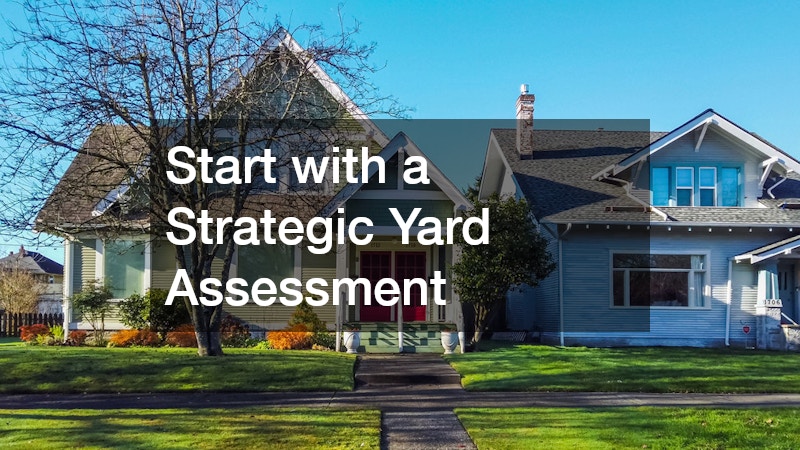
Before making any changes, take time to fully understand your yard’s current condition. A thoughtful landscaping plan begins with careful observation and a willingness to look at your space from both a practical and long-term perspective. Rushing into improvements without this step often leads to wasted time, money, and effort.
Walk around your property at different times of day to track how sunlight shifts across the space. Morning light, afternoon intensity, and shaded areas all play a role in determining what will grow successfully. Pay attention to how nearby structures, trees, or fences affect light exposure, as these can create microclimates within your yard.
Next, take a closer look at your soil. Try digging a small section to see how compact it is and how easily it drains. If water sits on the surface after rain or irrigation, that’s a sign of poor drainage. On the other hand, overly dry soil may struggle to retain moisture. Both conditions can limit plant health if not addressed early.
Also, observe how your yard behaves after heavy rainfall. Look for erosion, pooling water, or areas where grass struggles to grow. These clues reveal underlying issues that should be corrected before adding new features.
Sketching a rough layout—even something simple—can help you organize your ideas. Mark areas for planting beds, open lawn space, and walkways. This visual guide helps ensure that every decision moving forward is intentional, balanced, and aligned with your overall goals.
Build a Consistent Maintenance Routine
A healthy yard depends heavily on consistency. Establishing a reliable lawn care routine ensures that your outdoor space remains strong and resilient throughout the year, rather than reacting to problems after they appear.
Start with mowing practices. Cutting grass too short can weaken it, making it more susceptible to weeds and drought. Instead, aim to remove no more than one-third of the blade height at a time. This encourages deeper root growth and a fuller appearance. It’s also important to keep mower blades sharp, as dull blades can tear grass rather than cut it cleanly, leading to stress and discoloration.
Fertilization is another key component. Applying nutrients at the right times—typically in spring and fall—helps grass and plants grow stronger. Choosing the right type of fertilizer for your soil is just as important as timing. Slow-release fertilizers can provide consistent nutrients over time, reducing the risk of overfeeding. Be mindful not to over-fertilize, as this can lead to excessive growth and increased maintenance.
Weed control should also be part of your routine. Address weeds early before they spread, and consider natural prevention methods such as proper mowing and soil health improvements. Regularly inspecting your yard allows you to catch small issues before they become larger problems.
By sticking to a regular schedule, your yard will gradually become easier to manage and more visually appealing, with healthier grass and fewer recurring issues.
Improve Soil Health for Long-Term Growth
Healthy soil is the foundation of any thriving yard. Without it, even the best plants will struggle to survive.
One of the simplest ways to improve soil is by adding mulch. This helps retain moisture, regulate soil temperature, and reduce weed growth. Apply a layer around plants and garden beds, but avoid piling it directly against stems or trunks, as this can cause damage.
Another important step is lawn aeration and seeding. Over time, soil can become compacted, preventing air, water, and nutrients from reaching plant roots. Aeration creates small holes in the soil, allowing it to breathe and absorb essential elements more effectively.
After aerating, overseeding helps fill in thin or bare areas, promoting a thicker and healthier lawn. This combination strengthens root systems and improves overall resilience.
Focusing on soil health ensures that your yard remains strong and sustainable for years to come.
Upgrade Your Watering System for Efficiency

Watering plays a critical role in maintaining a healthy yard, but inefficient systems can lead to wasted resources and uneven growth.
If you’re relying on manual watering, it may be time to consider sprinkler installation. A properly designed system ensures consistent coverage, delivering the right amount of water to each area of your yard.
Choosing the right lawn sprinkler is equally important. Different types—such as oscillating, rotary, or drip systems—serve different purposes. For example, drip systems work well for garden beds, while rotary sprinklers are ideal for larger lawn areas.
Pay attention to watering schedules as well. Early morning is typically the best time to water, as it reduces evaporation and allows moisture to soak into the soil.
Upgrading your watering approach not only improves plant health but also helps conserve water and reduce long-term maintenance.
Choose the Right Plants and Materials
Selecting the right plants can make a significant difference in how well your yard performs over time. Thoughtful plant selection not only improves appearance but also reduces the amount of ongoing maintenance required to keep everything healthy.
When visiting garden centers, look for plants that are suited to your local climate and soil conditions. Pay attention to plant tags and ask staff for guidance if needed—they can often recommend varieties that perform well in your specific region. Native plants are especially beneficial because they are naturally adapted to local weather patterns, pests, and soil types, which means they typically require less water, fertilizer, and overall care.
It’s also important to evaluate the condition of the plants before purchasing. Choose specimens with strong stems, healthy leaves, and no visible signs of disease or pests. Investing in high-quality plants upfront can save you time and frustration later.
Consider grouping plants with similar water and sunlight needs together. This approach, often called “plant zoning,” simplifies your care routine and helps prevent overwatering or underwatering certain areas. It also creates a more balanced and visually appealing layout.
Finally, think about long-term growth and spacing. Some plants may start small but grow significantly over time, so be sure to give them enough room to mature without overcrowding. Planning ahead reduces the need for frequent replanting and helps create a more cohesive, sustainable outdoor space.
Keep Trees Healthy and Safe
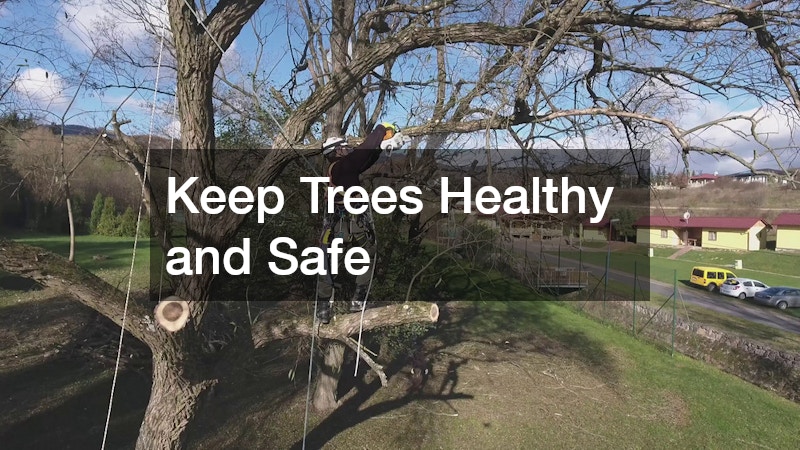
Trees are a valuable part of any yard, providing shade, beauty, and structure. However, they require regular care to remain healthy and safe.
Routine pruning helps remove dead or overgrown branches, allowing trees to grow properly and reducing the risk of damage during storms. This is where a professional tree service can be especially helpful, as they have the expertise to handle trimming safely and effectively.
Watch for signs of disease, such as discolored leaves, unusual growth patterns, or visible damage. Addressing these issues early can prevent more serious problems down the line.
Seasonal care is also important. For example, inspecting trees before winter or after heavy storms ensures that they remain stable and secure.
Healthy trees contribute significantly to the overall balance and appearance of your outdoor space.
Know When Removal Is the Best Option
While preserving trees is usually the goal, there are times when removal becomes necessary. Even well-established trees can become liabilities if their health declines or their structure becomes unstable.
A tree that is dead, severely damaged, or leaning dangerously can pose a risk to your home and surrounding structures. Cracks in the trunk, hollow sections, or large dead branches are all warning signs that shouldn’t be ignored. In these cases, a professional tree removal service can safely handle the process, using the right equipment and techniques to minimize risk and prevent property damage.
It’s also important to consider root-related issues. Trees with invasive or weakened root systems can disrupt foundations, sidewalks, or underground utilities. If you notice lifting soil, cracked pavement, or unexplained structural shifts nearby, removal may be the safest long-term solution.
Removing a problematic tree can also create new opportunities for your yard. It may open up space for additional planting, improve sunlight exposure, or eliminate ongoing maintenance challenges such as excessive leaf drop or pest issues. This can significantly improve the overall usability and appearance of your outdoor space.
After removal, consider what you’d like to replace it with. Whether it’s a new tree, a garden bed, or a seating area, planning ahead ensures that the space continues to serve a purpose. Making the right decision at the right time helps maintain both safety and functionality.
Optimize Irrigation with Professional Support
Even the best watering systems require occasional maintenance and adjustments.
Hiring garden sprinkler services can help ensure that your system is operating efficiently. Professionals can identify issues such as leaks, clogged nozzles, or uneven coverage that may not be immediately noticeable.
Regular inspections are especially important during seasonal transitions. Preparing your system for winter and restarting it in spring helps prevent damage and ensures consistent performance.
Upgrading to smart irrigation technology is another option worth considering. These systems adjust watering schedules based on weather conditions, reducing waste and improving efficiency.
By keeping your irrigation system in top shape, you can support healthier plant growth while minimizing effort and resource use.
Design for Functionality and Relaxation
A well-designed yard should be both beautiful and practical. Beyond plant health, think about how you want to use your outdoor space.
Incorporate features such as pathways, seating areas, and focal points to create a sense of structure. These elements make the space more inviting and easier to navigate.
Consider how different areas connect with each other. For example, a seating area near a garden bed can create a relaxing spot to enjoy your surroundings.
Balance is key. Too many features can make the space feel cluttered, while too few may leave it feeling incomplete. Aim for a design that complements your home and meets your lifestyle needs.
Thoughtful design transforms your yard into a place where you can relax, entertain, and enjoy nature.
Maintain Year-Round Yard Health
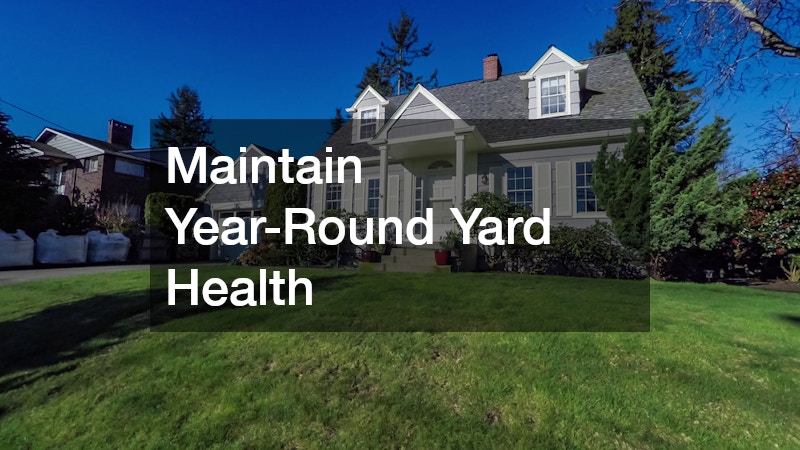
Keeping your yard healthy requires attention throughout the year, not just during peak seasons. A proactive approach helps prevent small issues from turning into costly problems and keeps your outdoor space looking its best.
In spring, focus on clearing away leaves, branches, and any debris that accumulated over winter. This is also the time to loosen compacted soil, edge garden beds, and encourage new growth with proper watering and light feeding. Early attention sets the tone for the rest of the year.
Summer maintenance includes consistent watering and monitoring for stress caused by heat. Grass and plants may show signs of drought, such as discoloration or wilting, so adjusting your watering schedule is essential. Mowing regularly—without cutting too short—helps protect roots and retain moisture. It’s also important to keep an eye out for pests and weeds, which tend to thrive in warm conditions.
Fall is the ideal time to strengthen your yard for the months ahead. Continue lawn care practices such as fertilizing and addressing any problem areas. This helps your yard recover from summer and prepares it for winter dormancy. Raking leaves and removing excess debris also prevents mold and disease.
During winter, protect vulnerable plants and plan for future improvements. Cover delicate areas if needed and minimize foot traffic on frozen grass. Use this quieter season to assess your yard’s performance and map out upgrades.
Staying proactive ensures that your outdoor space remains strong, healthy, and ready to thrive in every season.
Building a Sustainable and Enjoyable Outdoor Environment
Creating a healthier outdoor space is an ongoing process that rewards consistency and thoughtful care. By focusing on foundational elements like soil quality, watering efficiency, and smart design, you can build a yard that not only looks great but also supports long-term growth.
Small improvements made over time can lead to significant results. Whether you’re refining your maintenance routine or making larger upgrades, each step contributes to a more balanced and enjoyable environment.
With the right approach, your outdoor space can become a place that enhances your home, supports nature, and provides lasting value for years to come.