Creating an Outdoor Space That Thrives in Every Season
A healthy yard does more than improve curb appeal. It creates a more enjoyable outdoor environment, protects property value, and helps homeowners avoid costly maintenance issues over time. Strong grass, healthy trees, and well-planned outdoor features work together to create a balanced landscape that looks good and functions properly throughout the year.
Many homeowners focus only on appearance when planning outdoor improvements, but long-term landscape health depends on much more than mowing the lawn or planting flowers. Soil quality, water flow, sunlight exposure, tree health, and proper spacing all play important roles in keeping outdoor spaces healthy and manageable.
Smart landscaping starts with understanding how different parts of the yard interact with each other. Grass struggles when drainage problems are ignored. Trees become vulnerable when roots are damaged or overcrowded. Poor planning can also lead to erosion, standing water, and expensive repairs later on. Taking a proactive approach helps homeowners create landscapes that stay healthier with less frustration.
Whether someone is starting with a blank yard or updating an older property, thoughtful planning can make a major difference. From improving soil conditions to protecting mature trees, even small adjustments can lead to healthier growth and stronger outdoor spaces over time.
Build a Long-Term Plan Before Starting Outdoor Projects
Every successful landscape improvement begins with a clear plan. Rushing into projects without evaluating the yard first often leads to wasted time, unnecessary expenses, and uneven results. A thoughtful approach helps homeowners focus on solving the root causes of common landscape problems instead of covering them up temporarily.
Working with a professional landscaping service can help identify issues that may not be obvious at first glance. Soil compaction, hidden drainage concerns, poor grading, and overcrowded planting areas are common problems that can affect the long-term health of the yard. Addressing these concerns early makes future improvements much more effective.
A backyard designer can also help homeowners create outdoor spaces that are both practical and visually appealing. Instead of placing patios, trees, and planting beds randomly, a professional layout ensures that every feature works together naturally. This improves traffic flow, protects plants from overcrowding, and creates more usable outdoor living space.
Planning ahead also helps homeowners budget wisely. Rather than tackling multiple projects at once, they can prioritize the most important improvements first. For example, correcting drainage or soil issues before adding new plants prevents future damage and reduces maintenance problems later.
Sunlight exposure is another important factor to consider during the planning stage. Some areas of the yard may receive full sun all day, while others stay shaded by trees or nearby structures. Choosing plants and grass varieties that match those conditions helps landscapes stay healthier with less effort.
Long-term planning also allows homeowners to think seasonally. Trees grow larger over time, lawns require different care throughout the year, and weather patterns can affect soil conditions dramatically. Creating a flexible outdoor plan helps the entire landscape adapt more successfully as conditions change.
Improve Water Movement to Prevent Damage and Stress
Water management is one of the most important parts of maintaining a healthy landscape. Too much water can damage roots, weaken grass, and create muddy areas throughout the yard. Poor drainage also increases the risk of erosion, mold growth, and foundation problems near the home.
Many homeowners underestimate the importance of proper lawn drainage until standing water becomes impossible to ignore. Pools of water after heavy rain are often signs that the soil cannot absorb moisture properly or that water is collecting in low areas. Over time, these wet conditions suffocate grass roots and create unhealthy growing environments.
One of the most effective ways to improve water movement is through proper land grading. Adjusting the slope of the yard helps direct water away from structures and prevents it from collecting in unwanted areas. Even small grading corrections can significantly improve drainage performance across the property.
Strategic grading also helps reduce soil erosion. When water flows too quickly downhill, it can wash away valuable topsoil and expose tree roots. By reshaping slopes carefully, homeowners can slow water movement and protect delicate landscape areas from long-term damage.
In some cases, additional drainage solutions may be necessary. French drains, dry creek beds, and drainage swales can help move excess water away from problem areas more effectively. These features not only improve functionality but can also add visual interest to the landscape when designed properly.
Healthy drainage systems also support stronger trees. Roots need oxygen as much as they need water. When soil stays saturated for long periods, tree roots struggle to absorb nutrients and become more vulnerable to disease. Correcting drainage issues early can help prevent tree decline and improve the overall stability of the yard.
Mulching is another useful strategy for controlling moisture levels. Organic mulch helps soil retain moisture during dry conditions while reducing runoff during heavy rain. It also protects roots from temperature extremes and improves soil quality as it breaks down naturally over time.
Prepare Overgrown Areas for Healthier Growth
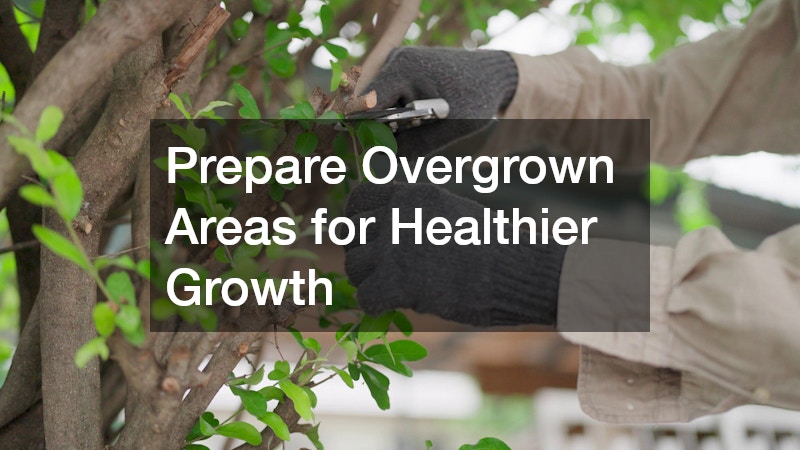
Overgrown landscapes often hide problems that can affect the entire property. Thick brush, invasive plants, dead trees, and overcrowded vegetation compete for sunlight, water, and nutrients. Left unmanaged, these conditions can weaken lawns, damage healthy trees, and create safety hazards around the home.
Starting fresh with selective land clearing allows homeowners to remove unwanted vegetation and create space for healthier growth. Clearing overgrown areas improves airflow, increases sunlight exposure, and makes it easier to maintain the yard consistently. It also helps reduce hiding places for pests and rodents.
However, clearing should always be done carefully. Removing too much vegetation at once can destabilize soil and increase erosion risks. A balanced approach protects healthy plants while eliminating the areas that create problems.
Tree health should also be evaluated during the cleanup process. In some situations, tree removal becomes necessary to protect surrounding plants and structures. Trees that are severely diseased, storm-damaged, leaning dangerously, or growing too close to buildings may pose safety risks if left untreated.
Dead or unstable trees can also affect nearby healthy trees by spreading pests and disease. Removing compromised trees early helps prevent larger problems throughout the landscape. It also allows surrounding plants to receive more sunlight and nutrients.
Homeowners should avoid attempting large tree projects without proper equipment and training. Tree removal can be dangerous, especially near homes, power lines, or fences. Professional assistance helps ensure the work is completed safely while minimizing damage to nearby landscape features.
After clearing unwanted vegetation, the soil may need attention before replanting begins. Adding compost, leveling uneven ground, and improving drainage conditions help prepare the area for healthier long-term growth. Starting with strong soil conditions gives new grass, shrubs, and trees a much better chance of success.
Strengthen Soil Conditions for a Fuller Lawn
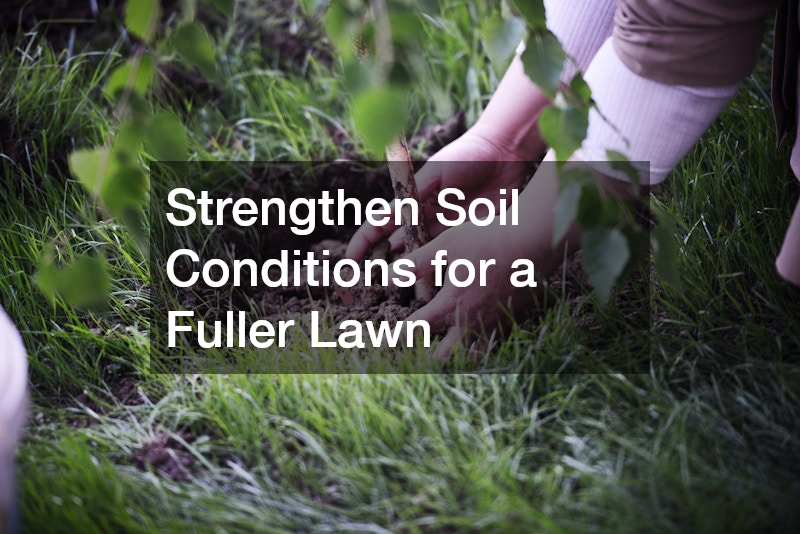
Healthy lawns depend heavily on soil quality. Even the best grass varieties struggle when the soil underneath becomes compacted or nutrient deficient. Many common lawn problems, including thinning grass and uneven growth, begin below the surface long before visible symptoms appear.
One of the most effective ways to improve soil health is through aeration. Over time, foot traffic, mowing equipment, and heavy rainfall compact the soil, making it difficult for oxygen, water, and nutrients to reach grass roots. Aerating the lawn creates small openings that loosen the soil and improve circulation below the surface.
Healthier soil encourages stronger root systems, which helps grass tolerate heat, drought, and heavy use more effectively. Aeration also improves fertilizer absorption and supports more consistent lawn growth throughout the season.
Timing matters when aerating the lawn. Many cool-season grasses respond best during early fall or spring when temperatures are moderate and grass growth is active. Performing aeration during these periods gives the lawn time to recover and strengthen before extreme weather arrives.
Following aeration with grass seeding services can dramatically improve lawn density. Overseeding introduces fresh grass seed into thin or damaged areas, helping create thicker, healthier turf over time. Thick grass coverage naturally reduces weed growth by limiting open space where weeds can take root.
Choosing the right grass variety is equally important. Some grasses perform better in full sun, while others tolerate shade more effectively. Climate conditions, watering habits, and maintenance preferences should all influence seed selection.
Watering practices also affect newly seeded lawns. Frequent light watering helps seeds establish during the early stages of growth, while deeper watering later encourages stronger root development. Mowing too early can damage young grass, so patience is important during the establishment process.
Fertilizing properly supports healthy lawn growth as well. Applying the correct nutrients at the right time helps strengthen roots and improve color without overstressing the grass. Overfertilizing, however, can cause rapid growth that weakens the lawn and increases disease susceptibility.
Protect Mature Trees With Consistent Care
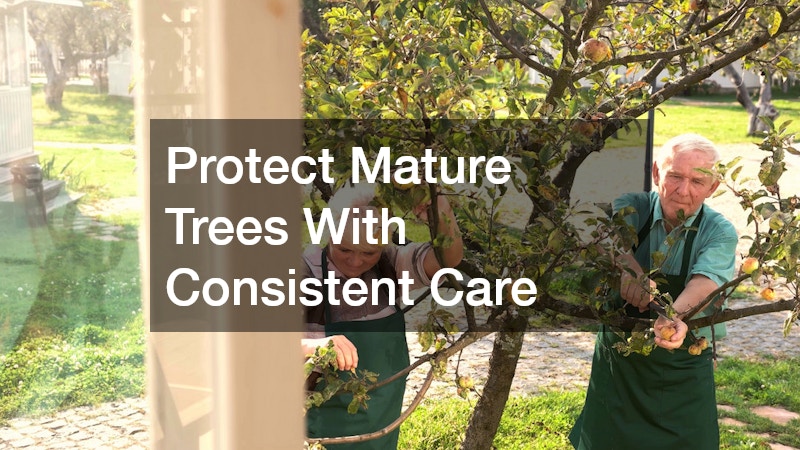
Trees are some of the most valuable features in any landscape. They provide shade, improve air quality, reduce erosion, and increase property value. However, maintaining healthy trees requires more than occasional trimming. Preventive care helps trees stay strong, stable, and resistant to environmental stress over time.
An experienced arborist can identify signs of tree stress before serious damage occurs. Dead branches, fungal growth, leaning trunks, cracked bark, and thinning canopies often indicate deeper health problems that require attention. Early intervention gives trees a much better chance of recovery.
Regular inspections also help detect pest infestations before they spread. Insects such as borers, aphids, and beetles can weaken trees significantly if left untreated. Drought conditions, poor soil quality, and construction damage may also increase a tree’s vulnerability to disease and pests.
Professional tree service plays an important role in maintaining safe and healthy growth patterns. Strategic pruning removes dead or damaged branches while improving airflow throughout the canopy. Better airflow helps reduce moisture buildup, which lowers the risk of fungal disease.
Proper pruning also helps trees withstand storms more effectively. Weak branches become less likely to break during strong winds or heavy snow when the canopy is maintained regularly. This reduces the risk of property damage and improves overall tree stability.
However, excessive pruning can create new problems. Removing too many branches at once places unnecessary stress on the tree and limits its ability to produce energy through photosynthesis. Careful, selective pruning supports healthier growth without weakening the tree.
Mulching around the base of trees also supports long-term health. A layer of mulch helps regulate soil temperature, retain moisture, and reduce competition from weeds. However, mulch should never be piled directly against the trunk, as excessive moisture around the bark can encourage decay.
Watering practices are especially important for mature trees during dry periods. Deep watering encourages roots to grow downward into the soil, improving drought resistance and stability. Shallow watering, on the other hand, may lead to weaker surface roots that struggle during hot weather.
Adapt Landscape Maintenance Throughout the Year
Healthy landscapes require different types of care as the seasons change. Weather conditions, temperature shifts, and growth cycles all affect how lawns and trees respond throughout the year. Adjusting maintenance routines seasonally helps protect outdoor spaces from unnecessary stress.
Spring is often the best time to inspect the yard for winter damage. Compacted soil, broken branches, and drainage issues become more noticeable after snow and heavy rain. Early spring cleanup helps prepare the landscape for active growing conditions.
Summer maintenance focuses heavily on moisture management. Deep watering encourages stronger root systems, while frequent shallow watering can weaken grass and trees over time. Watering early in the morning also reduces evaporation and lowers the risk of fungal growth. Fall provides an excellent opportunity to strengthen the landscape before winter arrives. Fertilizing during cooler weather supports root development, while overseeding helps repair summer damage. Removing fallen leaves also prevents moisture buildup that can damage grass underneath.
Tree inspections are especially important before winter storms arrive. Weak or damaged branches become more dangerous during snow and ice accumulation. Addressing structural issues early helps reduce storm-related damage later. Winter care often focuses on protection rather than active growth. Avoiding unnecessary foot traffic on frozen lawns helps prevent soil compaction. Young trees may also benefit from protective wrapping during harsh winter conditions.
Consistent seasonal maintenance keeps landscapes healthier year-round and reduces the likelihood of expensive repairs later. Small preventive steps often make a much bigger difference than major corrective projects after problems develop.
Building a Stronger and Healthier Outdoor Environment
Creating a healthier landscape involves much more than routine lawn care. Long-term success comes from understanding how soil, water, trees, grass, and outdoor design all work together to support a balanced environment. Small improvements made consistently over time can significantly improve the health, appearance, and functionality of any yard.
Thoughtful planning, proper maintenance, and preventive care help homeowners avoid many common outdoor problems before they become expensive repairs. Healthier soil supports stronger grass. Proper drainage protects roots and foundations. Well-maintained trees improve safety, shade, and curb appeal for years to come.
Every property has unique challenges, but smart landscaping decisions create stronger outdoor spaces that are easier to maintain in every season. By focusing on long-term health instead of quick fixes, homeowners can enjoy greener lawns, healthier trees, and more attractive outdoor living areas for many years ahead.