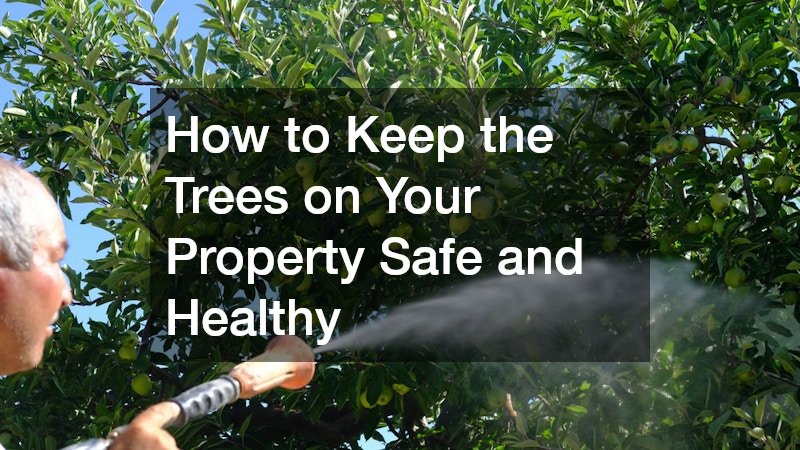
Trees are often the most defining, majestic, and enduring features of any landscape. Beyond their sheer aesthetic appeal, healthy, mature trees provide profound tangible benefits to property owners. They act as natural air conditioners, with expansive canopies capable of reducing summer cooling costs significantly by blocking solar radiation from baking your home’s roof and windows. During the winter, evergreen varieties act as robust windbreaks, buffering your home against freezing gusts and subsequently lowering heating expenses. Furthermore, a well-maintained urban forest can increase overall property values by up to fifteen percent, creating a sense of established permanence and curb appeal that barren lots simply cannot match.
However, trees are living, breathing organisms that require ongoing stewardship. The transition from a thriving, structurally sound asset to a dangerous liability can sometimes happen slowly over years of neglect, or seemingly overnight during a severe weather event. Homeowners frequently face a dilemma between the minimal, predictable costs of proactive, preventative maintenance versus the exorbitant, stressful expenses associated with reactive emergency responses and property damage.
This comprehensive guide is designed to bridge the knowledge gap for property owners. By understanding the biological needs of your landscape, you can foster an environment where root systems thrive and canopies flourish. We will explore the vital importance of proper soil management, the exact science of strategic pruning, and the methods for identifying subtle structural hazards before they fail. By taking a hands-on, informed approach, you can ensure your landscape remains a safe, vibrant, and valuable sanctuary for generations to come.
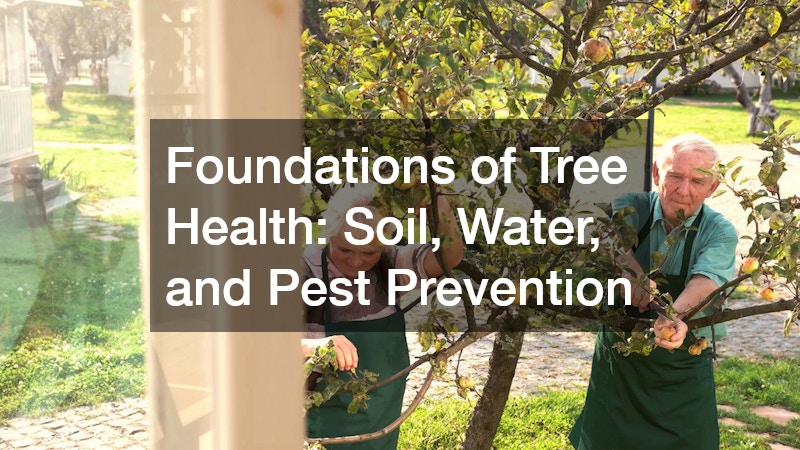
Foundations of Tree Health: Soil, Water, and Pest Prevention
Implement Deep-Watering Techniques to Build Resilient Root Systems
The foundation of a robust canopy lies entirely hidden beneath the soil. Many homeowners mistakenly believe that a quick, daily sprinkle from a lawn irrigation system is sufficient for large vegetation. In reality, light, frequent watering encourages shallow root development. When moisture only penetrates the top inch of soil, roots will naturally migrate upward to chase it. This creates a weak, surface-level root system that is highly susceptible to drought stress and lacks the deep structural anchoring required to withstand high winds.
To cultivate true resilience, you must mimic the soaking rains of nature through deep-watering techniques.
-
The Drip Line Focus: Water should be applied primarily at the “drip line”—the imaginary ring on the ground that aligns with the outermost tips of the branches. This is where the highest concentration of fine, water-absorbing feeder roots is located. Watering directly at the base of the trunk is highly inefficient and can actually encourage collar rot.
-
Volume and Frequency: A good rule of thumb is to provide ten gallons of water for every inch of the trunk’s diameter, applied slowly over several hours. Depending on your soil type, this deep soaking should be done once every week or two during the active growing season, rather than a few minutes every day.
-
The Screwdriver Test: To check if you are watering deeply enough, push a long screwdriver into the ground after watering. It should easily penetrate the soil to a depth of at least six to eight inches. If it stops short, the soil is too dry, and you need to increase the duration of your watering session.
Apply Mulch Correctly to Retain Moisture and Suppress Weeds
Mulch is one of the most beneficial and cost-effective treatments you can provide, as it replicates the natural, nutrient-rich forest floor. A proper layer of organic mulch insulates the soil against extreme temperature fluctuations, dramatically reduces moisture evaporation during peak summer heat, and physically blocks weeds that would otherwise compete for vital soil nutrients. However, improper mulching is one of the most common causes of slow decline in urban landscapes.
-
Avoid the Volcano: The most critical mistake to avoid is creating a “mulch volcano”—piling thick layers of wood chips high against the bark of the trunk. Bark is designed to be exposed to the air. When smothered in damp mulch, it begins to decay, suffocating the tree’s lenticels (breathing pores) and inviting fungal pathogens and wood-boring insects directly into the vascular system.
-
The Donut Method: Instead, apply mulch in a flat, wide circle resembling a donut. The mulch layer should be no more than two to four inches thick. Crucially, pull the mulch back at least three to six inches away from the actual trunk, leaving the root flare (where the trunk widens and transitions into roots) completely exposed and dry.
-
Material Selection: Hardwood or softwood chips, shredded bark, and composted leaves are excellent choices. As these organic materials slowly decompose, they feed the soil microbiome, naturally improving soil structure and fertility without the need for synthetic fertilizers.
Safeguard Foliage Against Seasonal Pests and Fungal Pathogens
Even with perfect watering and mulching, trees can fall victim to environmental stressors, invasive insects, and fungal diseases. Proactive monitoring is the key to preventing minor infestations from escalating into fatal outbreaks. Inspect your foliage regularly for abnormal discoloration, premature leaf drop, or sticky sap dripping from the canopy, which often indicates the presence of aphids or scale insects.
When addressing these issues, it is vital to correctly identify the pathogen before applying treatments. Sometimes, simple horticultural oils or insecticidal soaps are enough to handle minor surface pests. However, for systemic diseases, aggressive wood-boring beetles, or towering canopies that cannot be reached safely from the ground, professional intervention is necessary. Before utilizing tree spraying services to treat the upper canopy, ensure the specific diagnosis warrants such measures to protect beneficial pollinators. Additionally, partnering with knowledgeable tree care companies can help you establish a holistic health plan, which might include deep-root fertilization to naturally bolster the immune system, making the tree less appetizing to pests in the first place.
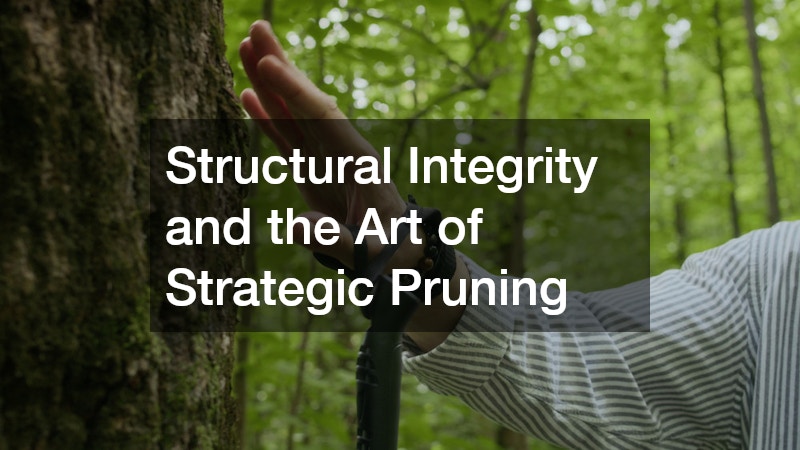
Structural Integrity and the Art of Strategic Pruning
Remove Dead, Diseased, and Intersecting Branches Annually
Pruning is both an art and a strict biological science. Every cut made is essentially a wound, and trees do not “heal” in the way human bodies do; instead, they compartmentalize wounds, growing new wood over the damaged area to seal out decay. Therefore, pruning must be done with clear, strategic intent, prioritizing the removal of hazardous or unhealthy wood first.
-
The Three Ds: Always begin by identifying and removing wood that is Dead, Diseased, or Damaged. Dead branches are unpredictable and can fall at any moment, while diseased wood can quickly spread pathogens to the healthy main trunk.
-
Eliminating Friction: Look closely for intersecting branches that cross and rub against one another in the wind. This constant friction strips away the protective bark, creating an open, weeping wound that serves as a perfect entry point for decay fungi and insect infestations. Removing the weaker of the two crossing branches preserves the integrity of the stronger one.
-
Timing Your Cuts: While dead wood can be removed at any time of the year, major structural pruning is best performed during the dormant winter months. Without leaves, the architectural structure of the canopy is fully visible, and the tree is less susceptible to sap loss and active insect vectors.
Maintain the Tree’s Natural Canopy Shape to Prevent Wind Damage
Proper pruning should always respect the natural growing habit of the specific species. Attempting to force a sprawling oak into a tight, unnatural geometric shape stresses the organism and encourages rapid, weak watersprout growth. Instead, focus on improving the canopy’s aerodynamic flow.
-
Canopy Thinning: Selectively removing a small percentage of live branches from the edge of the canopy reduces wind resistance. This allows strong gales to pass harmlessly through the foliage rather than catching the canopy like a massive sail, which can cause the entire root plate to uproot.
-
Avoiding Lion’s Tailing: Never strip all the interior foliage and small branches from a limb, leaving only a tuft of leaves at the very end. This dangerous practice, known as lion’s tailing, ruins the dampening effect of the interior branches. It shifts all the foliage weight to the very tips of the limbs, causing them to whip violently in storms and ultimately snap under the leveraged pressure.
-
Maintaining Branch Ratios: Ensure that lateral branches are no more than half to three-quarters the diameter of the main trunk they attach to. This promotes a strong taper and robust attachment points.
Consult Specialists for High-Altitude or Large-Scale Limb Management
While minor pruning of small, low-hanging twigs is a manageable weekend project with hand pruners, large-scale structural modifications carry significant physical risks and require advanced arboricultural knowledge. Attempting to remove heavy, high-altitude limbs while balancing on a ladder with a chainsaw is a recipe for catastrophic property damage and severe personal injury.
When limbs exceed four inches in diameter or are located near structures, specialized rigging techniques are required to lower the wood safely to the ground without crushing fences, garden beds, or roofs. Hiring a reputable tree pruning service ensures that heavy wood is managed with controlled ropes and pulleys. Furthermore, making the actual cut requires precision. Cuts must be made just outside the branch collar—the swollen area of trunk tissue at the base of the branch. Cutting into the collar destroys the cells responsible for sealing the wound. Because identifying this exact physiological boundary can be difficult on certain species, seeking guidance from local arborists guarantees that your canopy is maintained according to strict biological standards, ensuring long-term vitality and structural safety.

Proactive Hazard Assessment and Risk Mitigation
Inspect Trunks and Root Flares Regularly for Signs of Decay
Many catastrophic structural failures could have been prevented through simple, regular visual inspections. Homeowners should walk their property at least twice a year—and always after a major storm—to look for subtle warning signs that indicate internal decay or compromised anchoring roots.
-
Fungal Fruiting Bodies: Keep a close eye on the lower trunk and the root flare. The sudden appearance of mushrooms, conks, or bracket fungi growing directly out of the bark is a major red flag. These fruiting bodies indicate that wood-decaying fungi are actively digesting the internal structural heartwood, hollowing out the trunk from the inside.
-
Cracks and Cavities: Look for deep, vertical cracks running up the main trunk, which suggest structural splitting. Additionally, open cavities or hollows, especially those holding stagnant water, accelerate rot and significantly weaken the load-bearing capacity of the stem.
-
Root Plate Heaving: Examine the soil immediately surrounding the base of the trunk. If you notice a mound of soil lifting on one side, or visible cracking in the dirt radiating outward from the trunk, this is known as root plate heaving. It indicates that the anchoring roots have snapped and the entire organism is actively in the process of uprooting and falling over.
Identify and Correct Co-Dominant Stems and Weak V-Crotches
The way branches attach to the main trunk dictates how much physical stress they can endure. Strong branch unions typically feature a wide, U-shaped angle, allowing plenty of space for healthy bark and wood tissue to form a solid structural bond.
Conversely, tight, narrow, V-shaped unions are inherently weak. When two stems grow upward side-by-side at a sharp angle, they often develop “included bark.” This occurs when bark is pinched tightly between the expanding stems, preventing the internal wood from ever fusing together. As the stems grow thicker and heavier, they act as wedges against one another, making them incredibly prone to splitting violently down the middle during ice storms or high winds. Recognizing these co-dominant stems early allows for corrective pruning while the tree is young. If the tree is already mature, mechanical support systems like dynamic cabling may be required to restrict independent movement and prevent failure.
Know When a Tree Has Reached the End of Its Lifespan
Despite our best efforts, trees have natural lifespans, and severe decay or disease can sometimes advance beyond the point of rehabilitation. Clinging to a dying, hazardous tree out of sentimentality puts your home, vehicles, and family at serious risk. The general benchmark used in arboriculture is the 50% rule: if more than half of the canopy is dead, or if the trunk is more than 50% hollowed out by decay, the tree is generally considered beyond saving and has become a high-risk liability.
If you suspect severe internal issues, many established tree companies utilize advanced diagnostic tools, such as resistographs or sonic tomography, to measure the exact thickness of the remaining solid wood inside a seemingly healthy-looking trunk. Once a diagnosis of irreversible decline is confirmed, and if the structure stands within striking distance of a target—such as a driveway, powerline, or bedroom—prompt action is required. In these dangerous scenarios, specialized tree removal companies possess the heavy equipment, cranes, and liability insurance necessary to systematically and safely dismantle the hazard before gravity does the job for you.

Preparing for and Responding to Storm Emergencies
Cable and Brace Weak Branches Before Storm Season Arrives
Storm preparedness should happen months before the dark clouds gather. If your property features mature, sprawling hardwoods with multiple heavy trunks or exceptionally long, horizontal branches, they may need structural reinforcement to survive extreme weather.
-
Dynamic Cabling: This involves installing high-tensile steel cables or specialized synthetic ropes high up in the canopy between two major stems. This system is designed to limit the independent, violent swaying of heavy branches during high winds, redistributing the stress and preventing the union from splitting.
-
Rigid Bracing: For lower, tight V-crotches that have already begun to crack, steel bracing rods can be drilled horizontally through the union to physically bolt the stems together, providing rigid, immovable support.
-
Annual Inspections: Hardware in a living, growing organism does not last forever. Cables can fray, and the tree will eventually grow around the attachment points. It is vital to have support systems visually inspected annually to ensure they are still under appropriate tension and have not been compromised.
Clear Overhanging Branches Away from Power Lines and Roofs
Spatial awareness is a critical component of risk mitigation. Branches growing too close to physical structures pose severe threats during heavy rain, ice accumulation, or wind storms.
-
Roof Clearances: You should maintain a strict clearance zone of at least ten feet between the canopy and your roofline. Branches that constantly brush against shingles will rapidly degrade your roofing materials. Furthermore, overhanging limbs provide an easy bridge for rodents, squirrels, and raccoons to access your attic.
-
Utility Line Dangers: High-voltage power lines present a lethal hazard. Branches that contact power lines can ignite fires or become electrified, sending lethal voltage down the trunk to the ground. Homeowners must never attempt to prune vegetation near utility lines themselves. Instead, contact your local utility provider, who will dispatch specially trained line-clearance crews to eliminate the conflict.
Establish an Immediate Response Plan for Fallen or Leaning Trees
When a severe tempest strikes, high winds, saturated soils, and heavy ice loads can cause even healthy canopies to fail. Having a solid emergency response plan in place prevents panic and ensures your property is secured quickly and safely.
If you wake up to find a massive limb resting on your roof, or a trunk dramatically leaning toward your driveway with exposed roots, clear the immediate area of all people and pets. Do not attempt to approach or cut the tensioned wood yourself, as branches under pressure can violently snap back when cut, causing fatal injuries. In these high-stakes, dangerous situations, bringing in professional emergency tree services is the only logical course of action to stabilize the site and safely lift the heavy debris off your structures. To minimize delays during widespread regional storms, it is highly recommended to thoroughly vet and save the contact information for local emergency tree services in your phone well before storm season arrives, ensuring you have a trusted, insured crew on speed dial when every minute counts.
Post-Removal Management and Site Reclamation
Execute Safe, Low-Impact Felling to Protect Your Landscape
When mitigation is no longer possible and a tree must be taken down, the felling process must be handled with extreme care to protect the surrounding landscape. Dropping a multi-ton trunk indiscriminately can shatter concrete driveways, crush expensive landscaping, and compact the soil severely.
-
Controlled Rigging: In tight urban environments, trees cannot simply be chopped at the base and yelled “timber.” The canopy must be carefully dismantled piece by piece. Limbs are tied off with rigging lines, cut, and slowly lowered to a designated drop zone to avoid damaging the turf or underlying irrigation systems.
-
Crane Operations: For massive trunks located in inaccessible backyards or leaning over fragile structures, cranes are often utilized to lift heavy sections of wood straight up and over the house, completely eliminating the risk of impact damage to the ground below.
-
Strategic Timing: If the situation is not an immediate hazard, scheduling local tree removals during the frozen, dormant winter months is a smart strategy. The hard, frozen ground prevents heavy machinery from rutting your lawn, and nearby dormant plants are less susceptible to stress from the surrounding activity.
Eliminate Leftover Obstacles to Restore Soil Usability
Once the trunk is hauled away, property owners are left with a massive, unsightly stump protruding from the earth. While some choose to leave stumps to rot naturally, this is generally a poor landscaping decision for several reasons.
-
Pest Vectors: A decaying stump is an absolute magnet for destructive pests. As the wood softens, it becomes an ideal nesting ground for carpenter ants, termites, and wood-boring beetles, which can easily migrate from the stump directly into the wooden framing of your home.
-
Fungal Spread: The decaying roots can harbor aggressive fungal pathogens, such as honey fungus, which can spread through the soil and infect the roots of neighboring healthy vegetation.
-
Site Reclamation: To fully reclaim the space for future use, it is best to utilize a professional stump grinding service. This heavy machinery uses a spinning carbide-tipped wheel to mechanically chew the stump and the primary root flares down to eight to twelve inches below the soil surface. This process turns the hazard into a pile of rich, usable mulch, leaving the area flat, safe to mow over, and ready for new topsoil.
Choose the Right Replacement Species to Replant for the Future
The final step in managing your property’s landscape is planning for the future. Whenever a large specimen is lost, it is excellent environmental stewardship to replant and begin the cycle anew. However, replanting requires careful consideration to avoid repeating past mistakes.
-
Right Tree, Right Place: Before selecting a sapling, thoroughly evaluate the specific microclimate of the planting site. Consider the soil drainage, the amount of daily sunlight, and the exact pH of the dirt. Most importantly, research the mature height and canopy spread of the species you are considering to ensure it will not eventually grow into overhead power lines, crowd your home’s foundation, or block essential windows.
-
Species Diversification: Avoid planting the exact same species that you just removed, especially if it died from a localized disease or insect infestation. Fostering a diverse variety of species on your property ensures that a single pest outbreak—such as the devastating Emerald Ash Borer or Dutch Elm Disease—will not wipe out your entire canopy in a single season.
Conclusion
The majestic canopies that shade our homes and enhance our neighborhoods are not merely static fixtures; they are dynamic, complex biological systems that demand our attention and respect. Healthy, safe trees do not happen by accident. They are the direct result of proactive stewardship, consistent monitoring, and a willingness to understand the nuanced environment in which they grow. By applying the correct principles of soil hydrology, careful mulching, and strategic, biologically sound pruning, you can dramatically extend the lifespan of your landscape.
More importantly, shifting your mindset from reactive emergency responses to preventative hazard mitigation protects your property’s value and, most crucially, the safety of your family. Recognizing the subtle warning signs of decay, understanding structural weaknesses, and knowing exactly when to step back and call in qualified experts are the hallmarks of a responsible property owner.
Do not wait for the dark clouds of the next major storm to gather before evaluating the towering giants in your yard. Take a walk around your property today. Inspect the root flares, analyze the canopy structures, and begin implementing these foundational practices. By investing time and care into your landscape now, you ensure that your trees will remain strong, beautiful, and safe anchors for your home for decades to come.