Roof problems often seem straightforward at first glance. A missing shingle, a small leak, or a sagging patch can create the impression that a quick weekend fix will solve everything. Many homeowners are tempted to climb up, grab a few tools, and attempt repairs themselves. While this approach may look cost-effective, it can introduce far more serious issues than it resolves. What appears to be a minor inconvenience on the surface can quickly turn into long-term structural damage, safety hazards, and expensive corrections.
This is especially true when dealing with residential roof repair, where even small mistakes can compromise the integrity of the entire home.
The Hidden Safety Risks of Roof Work
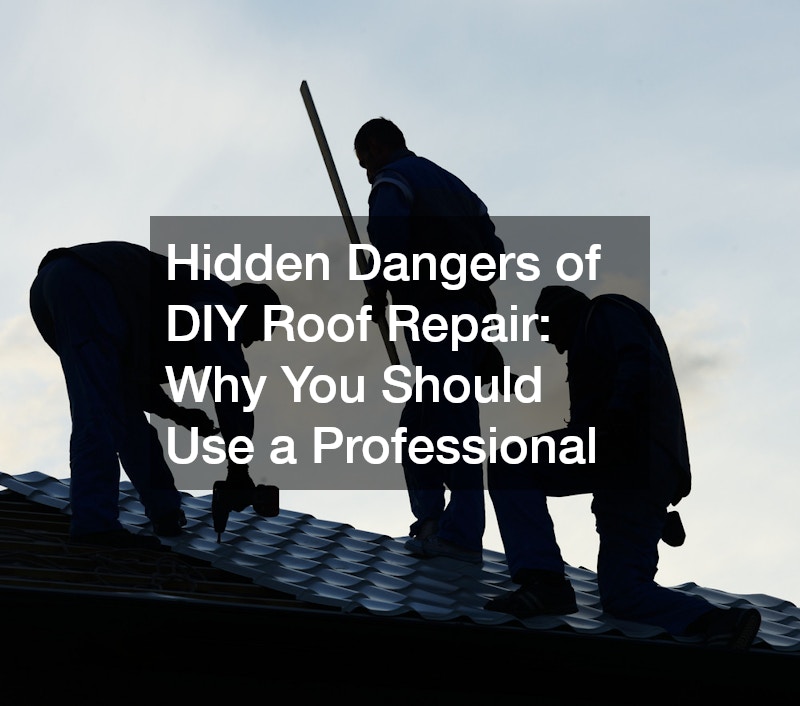
One of the most overlooked dangers of DIY roofing work is the risk of physical injury. Roofs are steep, uneven, and often slippery, especially when moisture, debris, or loose materials are present. Without proper safety equipment and training, homeowners put themselves at risk of falls that can lead to severe injuries or worse. Professional roofers are trained to navigate these conditions safely and use harnesses, anchors, and protective gear designed specifically for elevated work environments.
Misdiagnosing the Real Roofing Problem
Another major concern is the misidentification of the actual problem. A visible leak inside the home may not originate directly above the stain. Water can travel along rafters, insulation, and beams before becoming noticeable indoors. This means a homeowner attempting a quick fix might seal the wrong area entirely, leaving the real source of the leak untouched. Over time, this allows hidden moisture to spread, leading to mold growth, wood rot, and insulation damage that can be far more costly than the initial repair.
How Small Mistakes Lead to Bigger Damage
In many cases, improper repairs also worsen the underlying issue. Roofing systems are complex structures composed of multiple layers designed to work together. Shingles, underlayment, flashing, and ventilation systems all play a role in protecting the home. When an inexperienced individual attempts residential roof repair, they may unintentionally disrupt this balance. For example, incorrectly installed shingles can allow wind uplift, while poorly sealed flashing can create new entry points for water.
The True Cost of DIY Roofing Errors
Cost is another factor that often surprises homeowners who choose the DIY route. While the upfront expense of hiring a professional may seem higher, failed repair attempts can lead to repeated purchases of materials, tools, and replacement sections. In addition, any mistakes that result in water intrusion can escalate into structural repairs affecting ceilings, walls, and even electrical systems. What began as a small patch job can quickly multiply into a full roof replacement or extensive interior restoration.
Insurance complications can also arise when repairs are not performed by licensed professionals. Many policies require documentation of professional maintenance to validate claims related to roof damage. If a DIY repair contributes to further deterioration, insurers may deny coverage, leaving the homeowner responsible for the full cost of repairs.
Why Professional Roofers Deliver Long-Term Protection
Beyond immediate risks, there is also the issue of long-term durability. Roofing materials are designed to perform under specific installation standards. Even slight deviations in nail placement, sealing technique, or material alignment can reduce the lifespan of the entire roof system. A professional ensures that every component is installed correctly, preserving the roof’s ability to withstand weather conditions such as heavy rain, wind, snow, and heat fluctuations.
Ultimately, the risks of attempting roof repairs without expertise far outweigh the perceived savings. Roofing systems are not just surface coverings; they are essential protective barriers that safeguard the entire structure of a home. A single error can compromise safety, efficiency, and long-term property value.