Trees contribute shade, natural beauty, privacy, and character to residential properties. Healthy trees can remain valuable parts of a landscape for decades, but they require attention as they grow and respond to changing weather and environmental conditions. Problems involving branches, trunks, roots, or overall tree health can develop gradually, making them difficult for homeowners to recognize until the damage becomes more noticeable.
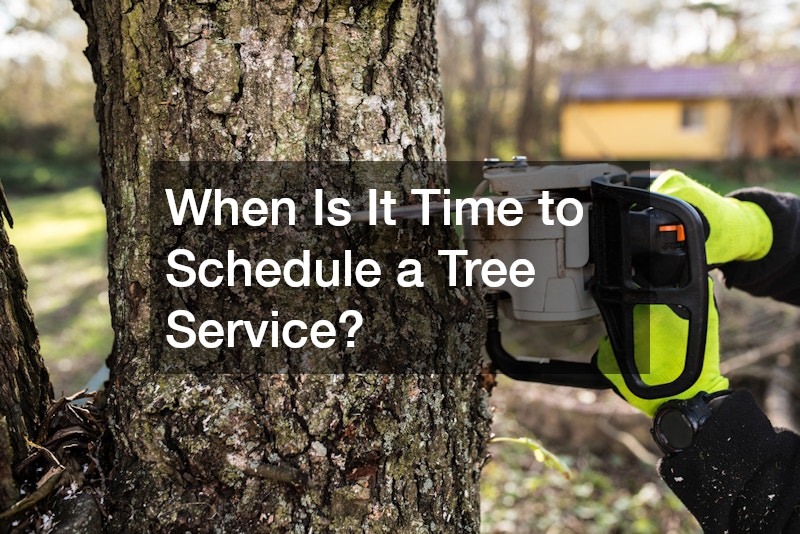
Knowing when to schedule professional tree care can help homeowners address potential problems before they become more difficult to manage. Tree professionals can evaluate visible damage, identify signs of declining health, manage overgrown branches, and determine whether storm damage has affected a tree’s stability.
Regularly observing the trees around your property and responding to significant changes can support a safer, healthier landscape.
When Trees Show Signs of Damage or Declining Health
Dead, cracked, or hanging branches are among the most noticeable reasons to schedule professional tree care. A weakened branch can fall unexpectedly, particularly during periods of strong wind, heavy rain, snow, or ice. Branches positioned over roofs, driveways, sidewalks, vehicles, and outdoor gathering areas can create additional concerns because falling wood may cause property damage or injuries. Cracks in the trunk, cavities, peeling bark, or sections of decay can also indicate that a tree needs closer evaluation.
Changes in foliage may provide additional clues about tree health. Premature leaf loss, unusual discoloration, thinning sections of the canopy, fungal growth, or widespread branch dieback may indicate disease, pests, environmental stress, or another underlying problem. A tree service in Danbury, CT can evaluate these symptoms and recommend an appropriate course of action. Depending on the tree’s condition, professional care may involve pruning damaged material, monitoring changes, or determining whether more extensive intervention is necessary.
When Trees Become Overgrown or Structurally Unbalanced
Trees naturally expand as they mature, but unchecked growth can eventually interfere with surrounding structures and outdoor spaces. Branches may extend over roofs, rub against siding, block driveways, obstruct walkways, or grow too close to other features on the property. A dense canopy can also contain branches that cross or rub against each other, potentially creating wounds over time. Proper pruning can manage excessive growth while helping maintain the tree’s natural structure and appearance.
Homeowners should be cautious about attempting extensive pruning without the appropriate knowledge or equipment. Removing branches incorrectly or taking too much of the canopy at once can unnecessarily stress a tree. Large branches can also be extremely heavy and difficult to control once cut. Professional tree care considers branch location, size, growth patterns, and overall tree condition before pruning begins. Strategic trimming can improve clearance around structures and help address weak or poorly positioned branches without removing healthy growth unnecessarily.
When Storms or Root Problems Affect Tree Stability
Severe weather can change the condition of a tree within minutes. Strong winds, lightning, heavy precipitation, and falling debris can break branches, split trunks, or disturb root systems. Some storm damage is immediately obvious, but other problems may be difficult to identify from the ground. A branch may remain suspended in the canopy after cracking, or a trunk may develop a split that becomes more serious under future stress. Trees should therefore be inspected after significant weather events when visible changes have occurred.
Root problems can create similar concerns because roots provide the support that keeps a tree anchored. Excavation, construction, erosion, soil compaction, flooding, and landscaping changes may damage or expose important roots. A tree that suddenly begins leaning may require prompt evaluation, particularly if the surrounding soil is lifting or cracking. Scheduling a tree service in Danbury, CT allows a professional to examine the trunk, roots, soil, and canopy together. Understanding the complete condition of the tree can help determine whether pruning, monitoring, or removal is the safest response.
When Tree Conditions Could Threaten Your Property
The location of a damaged tree matters when determining how quickly professional attention is needed. A weakened tree standing far from buildings and frequently used areas may present a different level of concern than one positioned beside a home, garage, road, driveway, or play area. Large dead branches over areas where people regularly walk or park should not be ignored. The potential consequences of a branch or tree falling are important considerations when deciding when to request an assessment.
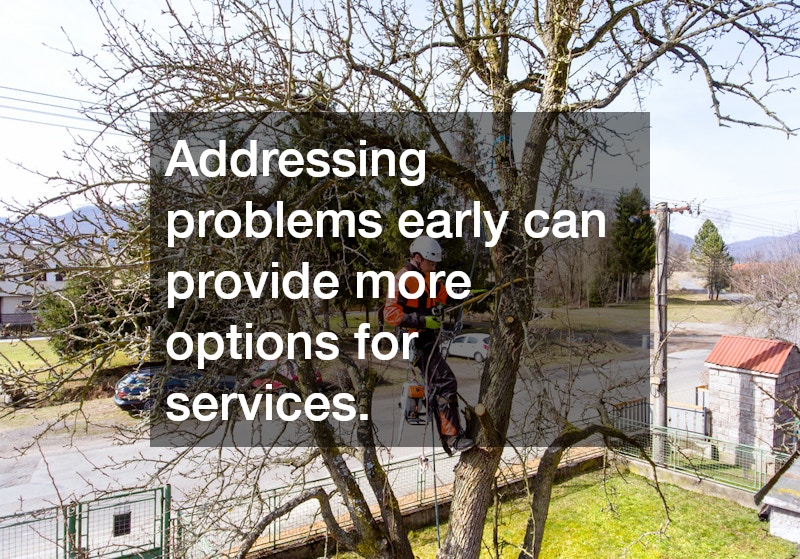
Homeowners also do not need to wait until a tree presents an obvious emergency before seeking professional guidance. If you are uncertain about a tree’s stability, health, or proximity to structures, an evaluation can provide useful information about its condition. A tree service in Danbury, CT can identify concerns that may not be easy to recognize without experience. Addressing developing problems early may provide more options for maintaining the tree and can help homeowners make informed decisions about pruning, continued monitoring, or removal.
Trees are constantly changing as they grow, age, and respond to weather and their surroundings. Dead branches, declining foliage, excessive growth, storm damage, root problems, sudden leaning, and structural concerns are all signs that it may be time to schedule professional care. Paying attention to these changes can help homeowners address problems before they become more serious. Whether a tree needs pruning, monitoring, or removal depends on its individual condition and location.