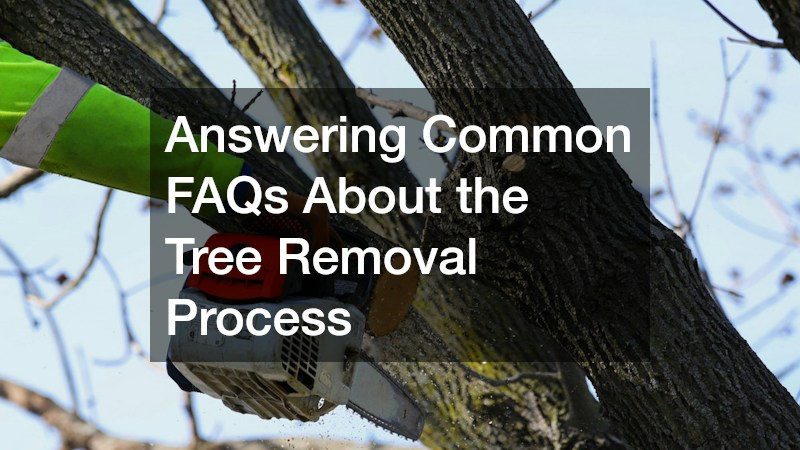
In the vast mosaic of our natural world, trees hold a place of immense significance. They are more than just silent sentinels; they are the lungs of our planet, providing oxygen, habitat, and aesthetic beauty. Yet, there are times when it becomes essential to undertake the delicate task of removing a tree. The process of tree removal involves the careful and efficient cutting down and extraction of trees that might pose dangers, whether to property, people, or other vital landscapes. This is not merely an aesthetic choice but often a necessity driven by various factors.
Tree removal might be required in cases where a tree is dead, diseased, or damaged beyond repair. Such trees can become hazardous, risking the safety of structures, passersby, or even other trees. Furthermore, trees that outgrow their spaces can interfere with power lines, or their roots may disrupt underground utilities, foundations, or sidewalks. While the removal of a tree is a significant intervention in an environment, it is a task that must be undertaken with great care to ensure minimal impact on the surrounding ecosystem.
This article seeks to illuminate the multifaceted nature of the tree removal process by extensively covering the wide-ranging Frequently Asked Questions (FAQs) associated with it. By delving into the intricacies of tree removal, our aim is to provide a comprehensive guide that informs and reassures property owners, managers, and anyone who may find themselves contemplating such services. Whether you’re a homeowner worried about a towering tree after a storm, or a business in need of maintaining a safe, unobstructed environment, you will find clarity and useful insights as you navigate through the details of the tree removal process.
1. What is tree removal?
What is tree removal?
Tree removal refers to the complete elimination of a tree from a particular location, either for safety reasons or due to convenience. This process is essential in preventing damage to property or harm to individuals. Professionals in the field consider numerous factors before proceeding, including tree health and location.
When is tree removal necessary?
Tree removal becomes necessary when a tree is dead, diseased, or poses a hazard to surrounding structures or people. It can also be required based on heartwood rot, pests infestation, and the tree’s lean towards critical infrastructure. In some cases, it is performed to make way for new construction or landscaping ambitions.
2. How to choose the right tree services?
How to choose the right tree services?
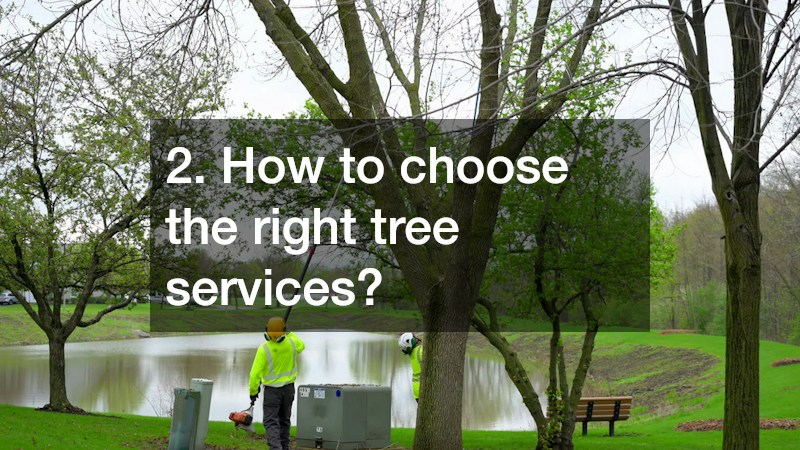
Selecting the best tree services involves thorough research of local offerings and the credentials of the tree care companies. Check if they possess the right certifications and licenses and consider their reputation in dealing with tree removals and other related undertakings. Customer reviews and past projects can provide valuable insights.
What to consider when hiring local tree cutters?
When hiring local tree cutters, evaluate their experience in handling tasks similar to yours. Ensure they have adequate insurance to mitigate liability in case of accidents. It’s crucial to gauge their understanding of local regulations concerning tree removal and whether they perform services beyond cutting, such as emergency tree service and stump grinding.
3. Why is tree service essential for a healthy environment?
Why is tree service essential for a healthy environment?
Tree service, including removal and pruning, is pivotal in maintaining the health of urban and forested areas. It includes managing overgrown trees that can obstruct sunlight and nutrients from reaching smaller plants. Proactive tree maintenance by local tree removal services ensures prolonged tree health, reducing disease spread and fostering a sustainable ecosystem.
What are the benefits of regular tree care services?
Consistent tree care services help with enhancing air quality as healthy trees filter pollutants efficiently. They support biodiversity by providing healthy habitats to numerous species. Regular maintenance managed by professionals like local tree cutters prevents the sudden necessity of emergency tree services by mitigating potential hazards early.
4. How to find reliable local tree removal services?
How to find reliable local tree removal services?
Identifying reliable local tree removal services involves verifying the company’s experience and commitment to safety practices. Consultation with neighbors and reading online reviews give an idea of fee structures and service quality. Ensure the tree service has a comprehensive plan for tree removals and complies with environmental regulations.
What to expect from a local tree removal service?
A local tree removal service typically offers a site assessment prior to conducting any operations. They provide a clear execution plan, indicating timelines and precise costs. Professional teams utilize modern equipment to ensure safe and expeditious tree removal, often extending services like cleaning the site post-operation.
5. What safety measures should be taken during tree removals?
What safety measures should be taken during tree removals?
Tree removals, by nature, involve risks that necessitate strict safety measures. Using appropriate personal protective equipment (PPE) like helmets and eye protection reduces the risk of injury. Maintaining clear communication among the team further ensures no one gets caught unaware during operations.
How to handle emergency tree service situations?
Handling emergency tree service situations requires rapid response to mitigate possible threats to property and safety. In scenarios like storm damage or unexpected tree falls, professionals assess the damage extent before action. Hiring a qualified tree service is paramount as they possess the equipment and expertise to manage the emergency effectively.
6. What services does a tree care company offer beyond removal?
What services does a tree care company offer beyond removal?
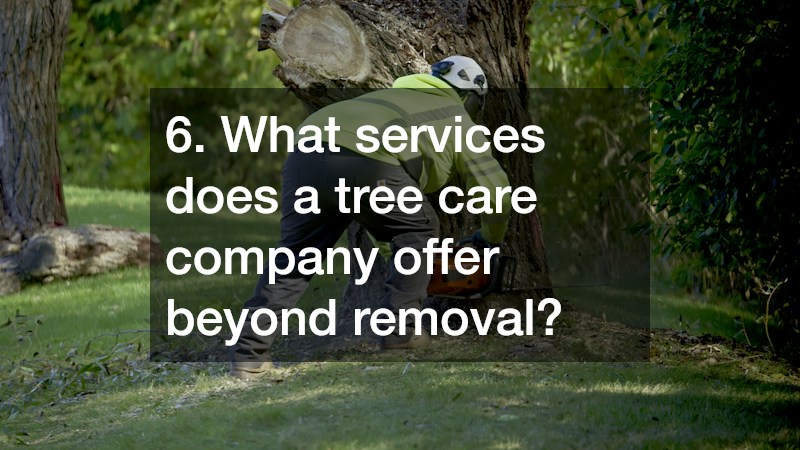
In addition to tree removals, a tree care company offers a myriad of services such as trimming, pruning, stump grinding, and pest management. They engage in planting encouragement and offer plant health care programs. Such comprehensive care proposes lifelong tree health, curbing potential diseases or structural risks early.
How to maintain trees after the removal process?
Post-removal maintenance involves attending to leftover stumps, which may entail grinding or complete extraction to prevent regrowth. The area should be monitored for soil health to promote ecological balance. Additionally, nearby trees might require pruning to enhance sunlight and resource reach, aided by local tree services.
7. What factors influence the cost of tree removal?
What factors influence the cost of tree removal?
The cost of tree removal is influenced by tree height, its proximity to structures, and accessibility. Additional complexities like ground conditions and the presence of power lines contribute to cost adjustments. Obtaining quotes from multiple local tree removal services can offer a comprehensive pricing insight.
Are there any cost-saving tips for tree removal services?
To save on tree removal expenses, collectively scheduling services with neighbors can result in a discount. Opting for complete service packages, including post-removal cleanup, may prove cheaper than separate services. Lastly, performing tasks in seasons when demand is low can lead to cost reductions.
8. How does tree removal impact the environment?
How does tree removal impact the environment?
While sometimes necessary, tree removal can upset the local ecosystem by reducing biodiversity and altering habitats. Unregulated tree removals may lead to soil erosion and water cycle disruptions. Thus, it is imperative for local tree services to implement conscious practices, like reforestation efforts, to minimize environmental impact.
What are eco-friendly practices in tree removals?
Eco-friendly tree removal practices include recycling the removed wood for mulch or firewood. Ensuring healthy trees remain unaffected and planning replanting initiatives preserve ecological balance. Professional tree care companies may also use biological pest controls rather than chemicals to maintain a clean environment.
9. Do you need permits for tree removal?
Do you need permits for tree removal?
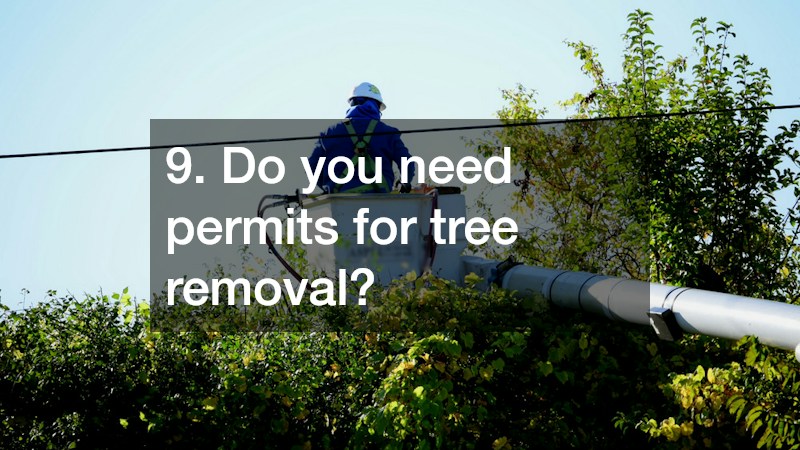
Permits are often required for tree removal, depending on local council regulations, especially for trees that are heritage-listed or exceptionally large. Acquiring these permits involves submitting a formal application detailing the cause and expert assessments. Consulting with a local tree removal service aids in navigating permit complexities.
What legal considerations are important in tree removals?
Legal considerations include respecting property boundaries to avoid disputes with neighbors. Consideration of wildlife that may reside within trees ensures compliance with protection laws. Adhering to local environmental regulations during tree removal facilitates community and ecological harmony.
10. When is it better to remove a tree instead of caring for it?
When is it better to remove a tree instead of caring for it?
Tree removal is advocated when a tree poses more risks than benefits, such as in cases of disease, rot, or potential collapse. If treatment costs significantly outweigh the value of preservation or when a tree grows unchecked, removal is preferable. Consulting a tree care company provides an informed recommendation based on tree health assessments.
How to decide between tree removal and tree care services?
Deciding whether to remove a tree or opt for care involves assessing the tree’s health and potential life expectancy. Healthier trees that enhance property value or aesthetics might benefit from care services, such as pruning. Obtaining opinions from local tree services delivers a balanced view tailored to individual scenarios.
11. Can tree removal be done as a DIY project?
Can tree removal be done as a DIY project?
Attempting tree removal without professional help can be quite hazardous, especially for larger or urban-set trees which require specialized equipment. The unpredictability of tree falls poses significant threats to safety and nearby structures. For smaller tasks, it may be manageable but generally not advised without expert consultation.
Why hire professionals for tree removal instead of doing it yourself?
Hiring professionals for tree removal ensures adherence to safety norms and environmental guidelines. They possess advanced tools and techniques to handle complicated scenarios efficiently. Moreover, their insurance coverage and expertise reduce liability risks, making professional services a wise investment compared to potential DIY mishaps.
12. What steps should be taken in planning a tree removal project?
What steps should be taken in planning a tree removal project?
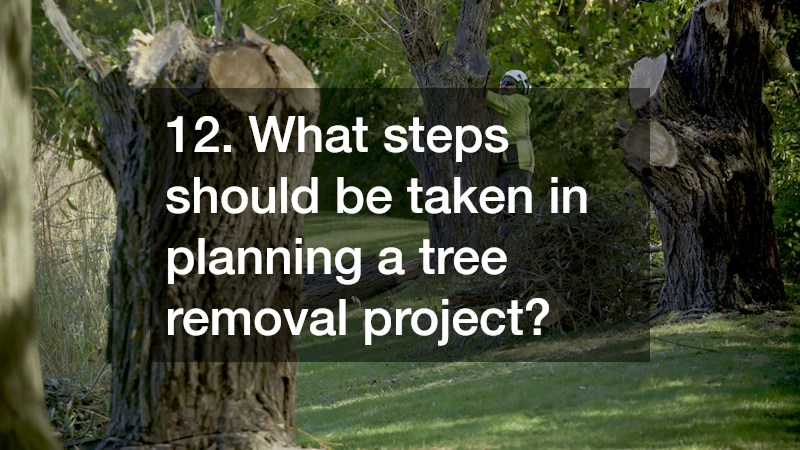
Effective planning for a tree removal project includes consulting with experts to evaluate tree health and viability thoroughly. Securing necessary permits in adherence to local laws ensures legal compliance. Arranging for debris clearance and discussing post-removal landscaping with local tree services further complements comprehensive planning.
How to prepare your property for tree removal services?
Preparing your property involves clearing surrounding movable objects to create a safe work zone. Informing neighbors ahead mitigates confusion or disturbance caused by noise or blocked access. Engaging with your selected tree service ensures they are informed of any underground utilities and layout constraints impacting removal operations.
13. What aftercare is needed once a tree is removed?
What aftercare is needed once a tree is removed?
Post-tree removal aftercare entails filling in holes with soil to prevent trip hazards or settling erosion. Regularly inspecting the area assists in spotting potential regrowth or soil subsidence. Engaging local tree services ensures effective removal of any leftover debris or stumps impeding site usability.
How to ensure the long-term health of your trees after removal?
Ensuring the long-term health of surrounding trees post-removal includes monitoring soil conditions and nutrient levels. Applying proper mulching techniques promotes sustainable growth across the landscape. Continuing with regular tree care services, such as trimming, enhances resilience against possible environmental or biological stressors.
Conclusion
Tree removal is a complex procedure that goes far beyond simply chopping down a tree. It demands a comprehensive understanding of arboriculture, meticulous planning, and the expertise of trained professionals to ensure the safety of individuals and the preservation of the surrounding environment. Engaging in such an activity requires careful assessment of the tree’s health, the potential risks it may pose, and the most suitable method of removal.
Throughout this comprehensive guide, we have explored the various essential facets of tree service. From understanding the different scenarios where tree removal becomes necessary, to recognizing the importance of engaging skilled local tree cutters who are equipped with the knowledge and tools to perform the task safely, every step is crucial. These professionals not only ensure that the tree is removed efficiently, but they also take into consideration the long-term impact on the ecosystem, helping to maintain an aesthetic and healthy environment.
With this information, you are now empowered to make well-informed decisions concerning your tree service needs. Whether it’s due to safety concerns, disease management, or landscaping requirements, the insights and FAQs provided are intended to guide you in selecting the right approach to tree management. Remember, proper tree care not only enhances the beauty of your surroundings but also contributes significantly to ecological balance and sustainability. Thus, by choosing to involve professionals committed to environmentally responsible practices, you can rest assured that your actions align with both aesthetic objectives and environmental stewardship.