
Your front yard might look picture-perfect, but certain landscaping choices can send an open invitation to raccoons, rodents, wasps, and other unwelcome visitors. Overgrown shrubs, standing water, and stacked wood are often the culprits, quietly turning a beautiful yard into a wildlife magnet. Understanding the connection between design choices and animal activity can help you protect your home, your family, and your landscaping investment. This guide breaks down the most common yard features that attract wildlife and what you can do about each one.
Overgrown Shrubs and Dense Ground Cover
Thick, untrimmed shrubs planted close to your home create the perfect hiding spot for small mammals like rats, mice, and even skunks. These dense pockets of vegetation offer shelter from predators and weather, making your yard feel like a safe nesting zone rather than an exposed space. Ground cover plants that spread aggressively without maintenance compound the problem by creating tunnels and hidden pathways at ground level.
Regular trimming and thoughtful landscape design can eliminate these hiding spots without sacrificing curb appeal. Choosing plant varieties that grow more upright, with visible space beneath them, makes it harder for animals to burrow in unnoticed.
- Keep shrubs trimmed at least a foot away from siding and foundations
- Avoid planting dense ground cover directly against the house
- Choose raised planting beds to reduce ground-level hiding spots
- Inspect shrub bases seasonally for burrows or nests
Overhanging Tree Branches Near the Roofline
Trees that hang over your roof do more than drop leaves into your residential gutters. They act as a highway for squirrels, raccoons, and even bats looking for an easy route onto your roof and into attic spaces. Once an animal finds a gap near the roofline, it can quickly become a recurring entry point.
A qualified tree service company can assess which branches pose the greatest risk and trim them back to a safe distance. In more serious cases, they may recommend a multi-visit pruning plan to gradually reduce canopy density near the house, especially for larger, older trees that can’t be safely trimmed all at once.
- Trim branches so they sit at least six to ten feet from the roof
- Watch for claw marks or chewed bark, which signal animal traffic
- Remove dead or leaning trees before they become a bigger hazard
- Schedule seasonal inspections to catch new growth early
Standing Water and Poor Drainage
Wildlife needs water just as much as food and shelter, and a yard with standing puddles or poorly draining low spots can become a reliable watering hole for raccoons, opossums, and even deer. Birdbaths left unattended for days can turn stagnant and attract insects, which in turn draw larger animals looking for an easy meal.
Fixing drainage issues often solves multiple problems at once, since standing water also invites mosquitoes and can damage your lawn over time. Grading your yard properly and directing runoff away from low-lying areas keeps things drier and less appealing to thirsty wildlife.
- Empty and refill birdbaths every two to three days
- Fix low spots in the yard that collect rainwater
- Check downspouts to ensure water is directed away from the house
- Avoid overwatering lawns and garden beds
Unsecured Compost Piles and Garden Debris
A compost pile is great for your garden but can smell like a buffet to raccoons, rats, and stray animals if it is not managed correctly. Food scraps mixed into an open pile release odors that travel far beyond your property line, especially during warmer months. Left unchecked, this can quickly turn into a nightly visit from unwanted guests.
The location of your compost pile can also make a difference. Placing it directly beside a fence, shed, deck, or dense vegetation gives animals cover while they investigate the pile. Once animals learn that food is available, they may return and begin exploring other parts of the property for shelter. Scattered scraps around the bin can create another attraction, so keeping the surrounding area clear is important.
Enclosed composting bins with secure lids solve most of this problem while still letting you compost effectively. Turning the pile regularly and avoiding meat or dairy scraps also reduces the smell that draws animals in the first place. Homeowners should also be selective about what goes into the bin. Fruit and vegetable scraps, coffee grounds, leaves, and grass clippings can generally be managed more easily than strongly scented leftovers. Adding dry materials over fresh kitchen scraps can help contain odors and keep exposed food from attracting attention.
Periodically inspect the container for cracks, loose lids, or signs of chewing around the base. Addressing problems quickly can prevent persistent wildlife activity while allowing you to continue composting organic material for your garden.
- Use a bin with a locking or weighted lid
- Avoid composting meat, dairy, or oily food waste
- Keep compost piles away from fences and property edges
- Turn compost regularly to speed decomposition and reduce odor
Wood Piles and Storage Near the House
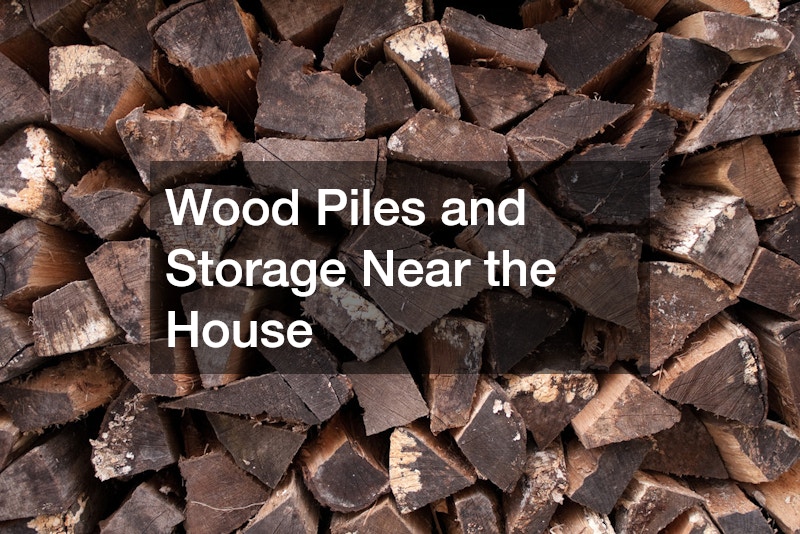
Stacked firewood or leftover lumber sitting against your home is one of the most overlooked wildlife attractants in a front yard. These piles create dry, sheltered gaps that mice, snakes, and even termites find irresistible. The closer the pile sits to your foundation or siding, the easier it is for animals to move from the wood stack directly into your home.
Wood piles can also hold moisture, leaves, bark, and other organic debris that make the area even more inviting to pests. When stacks remain untouched for long periods, animals may begin nesting between logs or underneath boards where they are protected from wind, rain, and predators. Insects living in the wood can attract birds and other wildlife as well, creating more activity near your home than you may realize. Regularly checking the pile for droppings, nesting material, gnaw marks, or disturbed wood can help you spot a problem before it spreads.
Moving wood storage at least twenty feet from the house and keeping it elevated off the ground cuts down on this risk significantly. A sturdy rack can improve airflow beneath the pile while making it harder for small animals to hide underneath. Keep weeds and tall grass trimmed around the storage area, and avoid placing tarps directly on the ground where they can create another sheltered space. Keeping the area organized makes seasonal inspections easier and prevents hidden spaces from developing unnoticed.
If overhanging branches or dead trees are contributing to the clutter near your home, a tree removal contractor can help clear the area and eliminate additional shelter for pests. If you already have an active problem, a wildlife control specialist can help identify how animals are using the pile as a stepping stone into your walls or crawl space.
- Store firewood on racks at least six inches off the ground
- Keep wood piles twenty feet or more from the house
- Rotate wood stock so piles do not sit untouched for months
- Inspect piles before bringing wood indoors for burning
Fence Gaps and Ground-Level Openings
Fencing is meant to define your yard, but gaps underneath or between panels can become wildlife doorways rather than barriers. Wood fences are especially prone to warping and rotting over time, which creates small openings that rabbits, groundhogs, and other animals can squeeze through or dig under.
Even minor openings can become more noticeable as soil shifts, boards loosen, or animals repeatedly use the same path. Checking the full perimeter of your fence can help you spot signs of digging, worn areas, or damaged sections before they become larger problems. Pay particular attention to corners, gates, and sections near shrubs or sheds, where animals may have extra cover while entering the yard. Adding barriers along the bottom of vulnerable areas can also discourage animals from burrowing underneath.
A reputable fencing company can inspect your existing fence line for weak spots and recommend repairs or replacement panels where needed. Solid, well-maintained fencing not only keeps larger animals out but also gives your landscaping a cleaner, more defined edge. Routine maintenance can extend the life of the fence while helping you maintain a more secure boundary around your property.
- Check for gaps larger than three inches at ground level
- Bury wire mesh along the fence base to block digging
- Replace warped or rotted panels promptly
- Inspect gates for proper sealing and closure
Unmowed Lawns and Tall Grass Patches
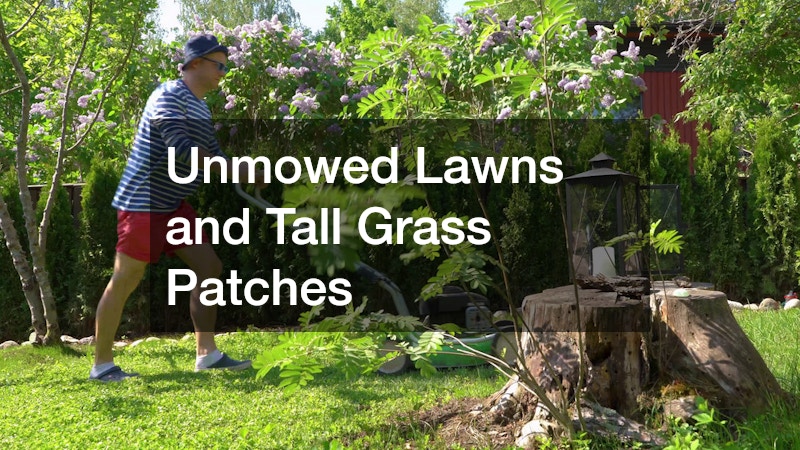
Tall grass does more than make your yard look unkempt. It provides cover for ticks, rodents, and snakes, all of which can attract larger predators looking for an easy meal. Overgrown patches near fence lines or garden beds are particularly prone to becoming nesting areas.
Tall growth can also make it harder to notice early signs of animal activity. Burrows, droppings, damaged plants, and narrow pathways through the grass may stay hidden until the problem becomes more established. Keeping these areas cut back improves visibility and makes routine inspections easier. Pay special attention to corners of the yard, spaces behind sheds, and strips of grass along fences where growth is easy to overlook. Removing weeds and excess vegetation from these spots reduces cover while helping the yard look cleaner and more maintained. Consistent upkeep can also discourage pests from returning to the same areas repeatedly.
Keeping your lawn consistently mowed removes much of this cover and makes your yard less appealing to smaller pests in the first place. If mowing regularly is not realistic with your schedule, working with a lawn service provider ensures the job gets done on a consistent basis without gaps that let growth get out of hand.
- Mow at a consistent height rather than letting grass grow tall between cuts
- Trim along fence lines and garden edges where mowers often miss
- Rake up grass clippings that can attract insects
- Watch for burrow holes appearing in thicker patches
Wasp and Insect Nests in Yard Structures
Wasps often build nests under eaves, in mailboxes, or tucked into fence posts and garden structures, and these nests can multiply quickly once established. Beyond the sting risk, an active nest can attract birds and other predators looking to feed on the insects, adding another layer of wildlife activity to your yard.
Professional wasp removal services can safely locate and remove nests before they grow large enough to pose a real danger to family members or pets. Checking vulnerable spots early in spring, before colonies fully establish, makes removal easier and less risky overall.
- Inspect eaves, sheds, and fence posts in early spring
- Look for small paper-like nests before they grow larger
- Avoid DIY removal of large or established nests
- Seal small gaps in outdoor structures where wasps like to build
Damaged Siding and Small Entry Points
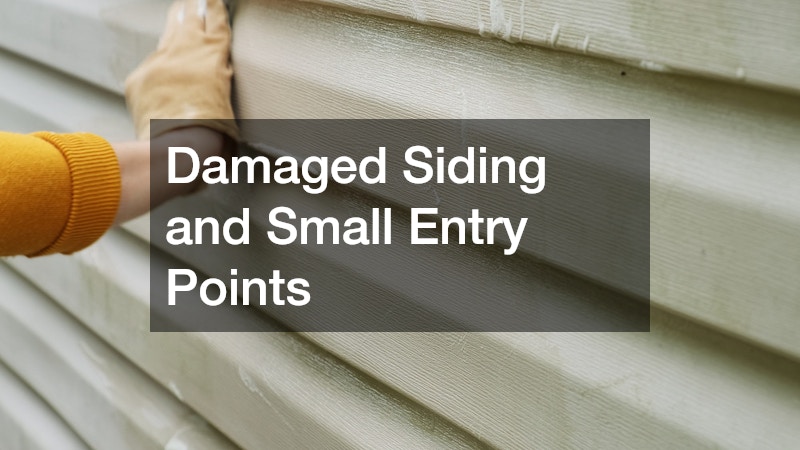
Cracked or gapped siding gives small animals like mice and squirrels an easy way into your walls, attic, or crawl space, often without any obvious signs from the outside. Once inside, they can cause damage to insulation, wiring, and wood framing that goes unnoticed for months. Even small gaps around utility lines or vents can serve as an entry point if left unaddressed.
Proper siding installation with tightly sealed seams and covered gaps around pipes and vents removes many of these access points before they become a problem. Choosing durable materials and having them installed correctly the first time reduces the chances of small cracks forming as your home settles over the years.
- Inspect siding seams annually for gaps or cracks
- Seal openings around pipes, vents, and cables
- Watch for chew marks near ground-level siding
- Replace damaged panels promptly rather than patching repeatedly
Small design choices, from overgrown shrubs to a stray wood pile, add up to create the conditions wildlife look for when choosing where to settle in. Walking your property with a critical eye and addressing these issues one at a time can make a real difference in keeping unwanted visitors away. Start with the areas closest to your home, since that is where most problems eventually lead, and work outward from there. With a bit of attention and the right upkeep, your front yard can stay both beautiful and far less appealing to the wildlife you would rather not host.