
Hardscaping can significantly enhance the beauty and functionality of outdoor spaces. However, without careful planning and execution, common mistakes can detract from the potential benefits. This article explores the frequently asked questions concerning hardscape design and common pitfalls to avoid.
What are the most common planning mistakes in hardscape design?
Ignoring Site Assessment
Before embarking on any hardscape project, assessing the site is crucial. Failing to properly evaluate aspects such as soil type, slope, and drainage can lead to significant issues down the line.
Ignoring these factors often results in water pooling, soil erosion, and long-term instability of structures.
Understanding the natural landscape can help mitigate potential risks, ensuring the longevity of your hardscape design. Knowingly or unknowingly, many homeowners overlook this critical step, focusing mostly on aesthetics instead of practicality. A thorough site analysis can save both time and resources, providing a solid foundation for your design.
Overlooking Scale and Proportion
Another common mistake in hardscape planning is failing to consider scale and proportion. Incorrectly sized elements can detract from the overall balance and harmony of the space. Whether it’s too large a patio or an undersized pathway, such discrepancies can significantly affect the aesthetic appeal.
Your hardscape should complement the existing structures and the surrounding environment. It’s important to create a coherent design that blends seamlessly with both your home and natural surroundings. Proper scale and proportion ensure that each element contributes to a cohesive and visually pleasing composition.
Poor Material Choice
Choosing the right materials is one of the most important aspects of hardscape design. Materials not suited to the local climate can result in quicker wear and tear and require frequent maintenance. Additionally, the wrong materials can clash with the existing environment, leading to a jarring and disjointed appearance.
Durability and compatibility with local conditions should be key factors in material selection. For instance, opting for permeable pavers can alleviate water drainage issues, negating the challenges posed by heavy rains. Moreover, consistency in texture and color helps maintain a unified look throughout the space.
How can design execution impact hardscape projects?
Lack of a Cohesive Design Theme
When it comes to execution, a cohesive design theme is imperative for a unified landscape. Incorporating disparate styles and elements can lead to a fragmented and chaotic appearance. A well-thought-out theme ensures harmony and continuity throughout the space, enhancing its visual appeal.
Choosing a design theme should be one of the first steps in the planning phase. Consider factors such as the architecture of your home, environmental context, and personal style preferences. A consistent theme can serve as a guiding principle, influencing material selection, layout, and decor.
Improper Installation Techniques
Even with meticulous planning, poor execution can undermine any hardscape project. Inadequate installation techniques often lead to structural failures and safety hazards, posing potential risks to occupants. Proper installation practices are essential for ensuring the stability and longevity of your design.
During installation, attention to detail is paramount. Grading, leveling, and proper anchorage prevent shifts and adverse effects from seasonal changes. The use of skilled labor and high-quality materials is a worthwhile investment that minimizes future setbacks.
Neglecting Future Growth
Many hardscape projects fall short when future growth isn’t considered during the design phase. The landscape is a dynamic entity, and neglecting how it evolves over time can lead to overgrowth and crowding. Planning for the maturation of trees and shrubs from the outset ensures long-term success.
Understanding the growth patterns and spacing needs of plants helps in avoiding overcrowded spaces. This consideration can prevent the need for constant trimming and potential damage to structures. A forward-thinking approach also enhances the natural beauty and functionality of the area.
What are common maintenance pitfalls in hardscape projects?
Infrequent Cleaning and Sealing
Ongoing maintenance is vital for preserving the integrity and appearance of hardscape features. A common mistake that leads to premature wear and aesthetic decline is infrequent cleaning and sealing. Regular upkeep prevents staining, weathering, and deterioration of materials, extending their lifespan.
Without consistent care, dirt, grime, and mildew can accumulate, compromising the visual appeal. Sealing surfaces forms a protective barrier against environmental elements, such as UV rays and moisture. This routine not only maintains a fresh look but also safeguards against damage.
Establishing a maintenance schedule can simplify these tasks, ensuring they become a seamless part of routine care. Early interventions and preventative measures help avoid extensive repairs and preserve the integrity of the design. Keeping your hardscape clean and protected is a small, continuous effort with significant rewards.
Inefficient Drainage Solutions
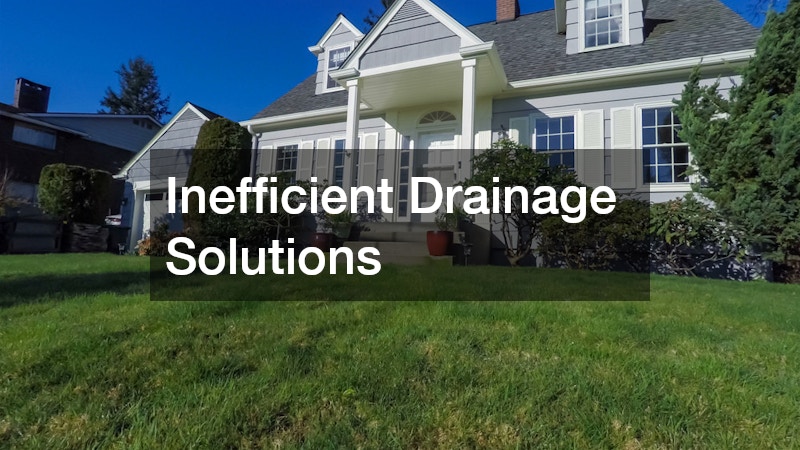
Drainage is a critical aspect that, if overlooked, can lead to significant problems. Poor drainage solutions can cause issues such as water pooling, erosion, and foundational instability. Designing with efficient drainage in mind is integral to the health of your hardscape project.
There are several drainage solutions available, ranging from simple grading adjustments to more complex systems like French drains. Assessing the specific needs of your site helps identify the most effective drainage strategy. Failing to implement proper drainage can lead to costly repairs and structural damage.
Avoiding these common hardscape design mistakes requires thoughtful planning, execution, and ongoing maintenance. By understanding the potential pitfalls and how to address them, you can achieve a beautiful, functional hardscaped area that enhances your outdoor living experience. Prioritizing elements such as site assessment, cohesive design, and ongoing care ensures both immediate benefits and future resilience.
.