Key takeaways
- A neat, easy-care yard creates a strong first impression, and simple designs usually appeal to the most buyers.
- Plan around sun, shade, and drainage, and start with the front yard for the biggest boost in curb appeal.
- Choose native and drought-tolerant perennials and evergreen shrubs, spaced for their mature size.
- Shrink the lawn to the areas you actually use, and replace hard-to-mow spots with beds or low ground covers.
- Add durable hardscaping like walkways, patios, and edging, and make sure surfaces drain away from the house.
- Plant trees well away from the house, consult a certified arborist before removing one, and use deer-resistant plants or barriers to protect your yard.
- Save time and water with drip irrigation, smart controllers, and low-voltage lighting, and follow a simple seasonal maintenance routine.
Your yard is the first thing people see when they pull up to your home. A neat, attractive landscape tells visitors and potential buyers that the house is well cared for. But many homeowners worry that a beautiful yard means spending every weekend mowing, weeding, and watering. It doesn’t have to be that way.
Low-maintenance landscaping focuses on smart design choices that look good year after year with very little effort. By choosing the right plants, adding long-lasting features like stone paths and patios, and setting up simple systems for watering and care, you can create a yard that boosts curb appeal without taking over your free time.
In this guide, you’ll learn how to plan a landscape that’s easy to care for and helps support your home’s value over time. From native plants and smart lawn choices to trees, wildlife protection, and lighting, these ideas will help you invest in your yard in ways that pay off for years to come.
1. How Landscaping Affects Home Value
First impressions matter in real estate. Buyers often decide how they feel about a home within seconds of seeing it, and the yard plays a big part in that feeling. Healthy plants, a tidy lawn or ground cover, and clean edges make a home look cared for. Overgrown bushes, dead patches, and cracked walkways can make buyers wonder what else has been neglected.
Good landscaping can help a home stand out in online listings and attract more interest. It also adds to your everyday enjoyment while you live there. Shade trees and well-placed shrubs can even help lower cooling costs by blocking hot afternoon sun, which is a practical benefit buyers may appreciate.
That said, not every landscaping project adds the same value. Buyers usually prefer yards that look good and are easy to care for, not ones that demand hours of upkeep. Very personal or high-maintenance features, like large water fountains or fussy flower beds, may not appeal to everyone. The best investments are clean, simple designs that will still look good years from now.
- A well-kept yard creates a strong first impression for buyers.
- Good landscaping improves listing photos and everyday enjoyment.
- Simple, easy-care designs usually appeal to the most buyers.
2. Start With a Plan and Focus on the Front Yard
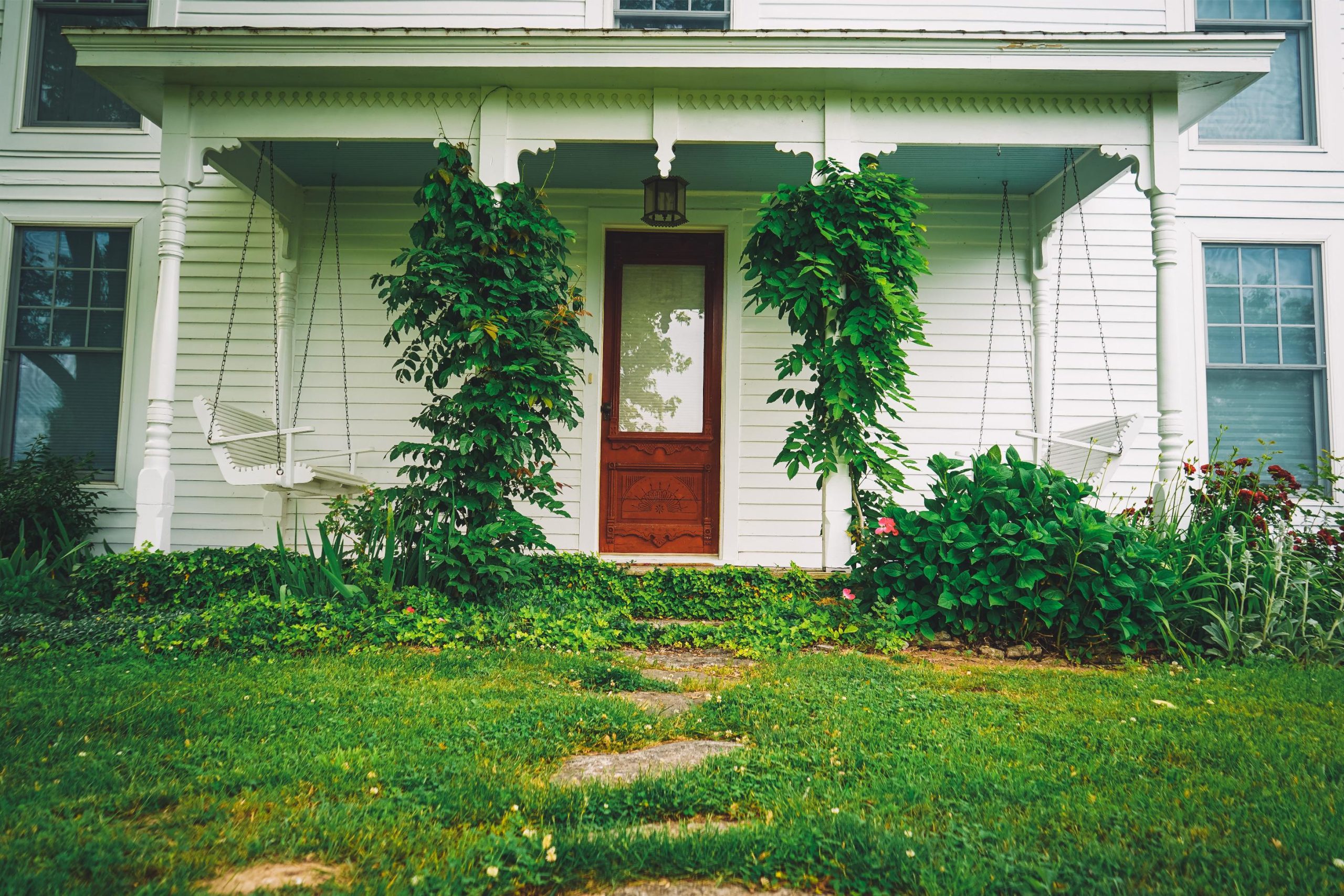
Before you buy plants or materials, take time to plan. Walk around your property and note what’s working and what isn’t. Pay attention to sun and shade patterns, areas where water collects after rain, slopes, and spots that are hard to mow or maintain. Sketch a simple map of your yard, including the house, driveway, walkways, and existing trees.
If your budget is limited, focus first on the front yard. It’s what neighbors and buyers see, and it has the biggest effect on curb appeal. Simple upgrades like defining garden beds, adding fresh mulch, trimming overgrown shrubs, and creating a clear path to the front door can make a big difference. Frame your entry with a few attractive plants or containers to draw the eye to the door.
Think about the style of your home, too. A modern house may look best with clean lines, ornamental grasses, and simple plantings, while a traditional or farmhouse-style home may suit softer borders and flowering shrubs. Your landscape should match the architecture. Plan in phases if needed, finishing one area at a time so the work stays affordable and manageable.
- Map sun, shade, drainage, and problem areas before you start.
- Focus first on the front yard for the biggest curb appeal boost.
- Match your landscaping style to your home and work in phases.
3. Choose Native and Drought-Tolerant Plants
The right plants are the foundation of a low-maintenance yard. Native plants have adapted to your local climate, soil, and rainfall over thousands of years. Once established, most need little extra water, fertilizer, or pest control. They also support pollinators like bees and butterflies, which many buyers see as a plus.
Check your USDA Plant Hardiness Zone to see which plants can survive your winters, then look for natives that fit your region. Your local cooperative extension office or a good garden center can recommend easy-care options. In many areas, plants like coneflowers, black-eyed Susans, switchgrass, and native shrubs such as ninebark or serviceberry are popular choices. In dry climates, drought-tolerant plants like lavender, sage, yucca, and many ornamental grasses work well.
Favor perennials and shrubs over annual flowers, since they come back year after year without replanting. Evergreen shrubs give your yard structure and color even in winter, which helps your home look good no matter when it’s listed for sale. Always check the mature size on plant tags and give each plant enough space to grow. This prevents crowding and cuts down on constant pruning.
- Native plants need less water, fertilizer, and pest control.
- Choose perennials and evergreen shrubs for year-round structure.
- Space plants based on their mature size to reduce pruning.
4. Shrink the Lawn and Use Ground Covers
A traditional lawn is one of the most time-consuming parts of a yard. It needs regular mowing, watering, fertilizing, and weed control. While many buyers still like having some grass for kids and pets to play on, a smaller, well-kept lawn usually looks better and costs less to maintain than a large one that’s patchy or overgrown.
Consider reducing your lawn to just the areas where you actually use it. Replace hard-to-mow spots, like steep slopes, narrow strips, and shady corners, with planting beds or ground covers. Low-growing ground covers like creeping thyme, sedum, ajuga, and clover spread to fill bare areas and rarely need mowing. Check that any plant you choose isn’t considered invasive in your state.
If you keep a lawn, choose a grass type that fits your climate, such as a cool-season grass in the North or a warm-season grass in the South. Mow high, at about 3 inches for many grass types, which shades out weeds and helps the lawn hold moisture. Leave grass clippings on the lawn to return nutrients to the soil. Clean edges between the lawn and planting beds make the whole yard look sharp and well cared for.
- Keep lawn only where you truly use it.
- Replace hard-to-mow areas with beds or low ground covers.
- Choose climate-appropriate grass and mow high to reduce weeds.
5. Add Hardscaping That Lasts
Hardscaping refers to the non-living parts of your landscape, like walkways, patios, retaining walls, edging, and gravel areas. Well-built hardscaping needs very little care, adds structure to your yard, and creates usable outdoor living space, which many buyers value.
Start with a welcoming path to your front door. A walkway made of pavers, natural stone, or stamped concrete looks polished and lasts for decades. In the backyard, a patio gives you a place to grill, dine, and relax. Choose durable materials that suit your climate, and make sure surfaces slope slightly away from your house so water drains properly. Poor drainage can damage foundations and create costly problems.
Edging is a small detail with a big impact. Metal, stone, or brick edging between lawn and planting beds keeps grass from creeping in and gives your yard a crisp, finished look. Gravel or decomposed granite paths are budget-friendly alternatives to pavers. If you have slopes, a low retaining wall can create level planting areas and prevent erosion. For larger walls or complex projects, hire a professional to make sure they’re built correctly.
- Hardscaping adds lasting structure with little upkeep.
- Build walkways and patios with durable materials and proper drainage.
- Use edging to keep beds neat, and hire pros for larger walls.
6. Plant Trees Wisely and Know When to Remove Them
Healthy, mature trees are among the most valuable features a yard can have. They provide shade, privacy, and a sense of established beauty that’s hard to create any other way. When planting new trees, choose species suited to your climate and soil, and pay close attention to their mature size. Plant large trees at least 15 to 20 feet away from your house, and keep them clear of power lines, septic systems, and sewer lines.
Small, slow-growing, or ornamental trees, like dogwoods, redbuds, and Japanese maples, can work well closer to the house or in smaller yards. Avoid fast-growing trees with weak wood or messy fruit, seeds, or roots, since they often need more cleanup and can cause damage over time.
Sometimes an existing tree causes more problems than it solves. Good tree removal decision making starts with a professional opinion. A certified arborist can tell you whether a tree is diseased, dying, structurally weak, or likely to damage your home, driveway, or pipes. Many trees can be saved with proper pruning or care, which is often cheaper than removal. If removal is needed, hire an insured tree service, and check local rules, since some cities require permits to remove certain trees.
- Choose trees suited to your climate and plant them away from the house.
- Avoid messy or weak-wooded trees near buildings and walkways.
- Consult a certified arborist before deciding to remove a tree.
7. Protect Your Plants From Deer and Other Wildlife
Nothing ruins a fresh landscape faster than hungry deer, rabbits, or groundhogs. In many neighborhoods, wildlife can chew plants down to the ground overnight, leaving you with costly replacements and a yard that looks neglected. Planning ahead saves money and frustration.
The easiest approach to front yard wildlife prevention is choosing plants animals tend to avoid. Many deer and rabbits skip plants with strong scents, fuzzy or prickly leaves, or bitter taste. Common examples include lavender, salvia, catmint, ornamental grasses, boxwood, and many ferns. No plant is completely deer-proof, especially when animals are very hungry, but these choices can greatly reduce damage. Your local extension office often has lists of resistant plants for your area.
For plants you really want to protect, use physical barriers. Low decorative fences, garden netting, or wire cages around young shrubs and trees can stop browsing animals. Tree guards protect young trunks from rabbits and from bucks rubbing their antlers. Some homeowners also use motion-activated sprinklers or repellent sprays, though sprays need to be reapplied after rain. Keep in mind that bird feeders and fallen fruit can attract unwanted visitors, so place feeders away from planting beds and clean up dropped fruit.
- Choose deer- and rabbit-resistant plants for front beds.
- Use fences, netting, or cages to protect prized plants and young trees.
- Reduce attractants like spilled birdseed and fallen fruit.
8. Add Smart Irrigation and Outdoor Lighting
Watering by hand takes time and often wastes water. A drip irrigation system delivers water right to plant roots, which reduces waste from wind and evaporation and keeps leaves dry to help prevent disease. Soaker hoses are a simple, low-cost option for smaller beds. Add a timer so watering happens automatically, ideally in the early morning.
If you have an in-ground sprinkler system, consider upgrading to a smart controller. These devices connect to Wi-Fi and adjust watering based on local weather, skipping cycles when it rains. Many utilities offer rebates on smart controllers, so check before you buy. Efficient watering keeps plants healthy, lowers your water bill, and shows buyers that the yard has been thoughtfully maintained.
Outdoor lighting adds beauty, safety, and evening curb appeal. Low-voltage LED path lights along walkways, soft uplights on trees, and lights near steps and entries make your home look welcoming after dark and help prevent trips and falls. Solar lights are easy to install but may be dimmer, while low-voltage systems usually last longer and give more reliable light. Use warm white bulbs and aim lights downward to avoid glare and light pollution.
- Use drip irrigation or soaker hoses on timers to save water and time.
- Upgrade sprinklers to a smart controller and check for rebates.
- Add low-voltage LED lighting along paths and entries for safety and appeal.
9. Follow a Simple Maintenance Routine and Budget
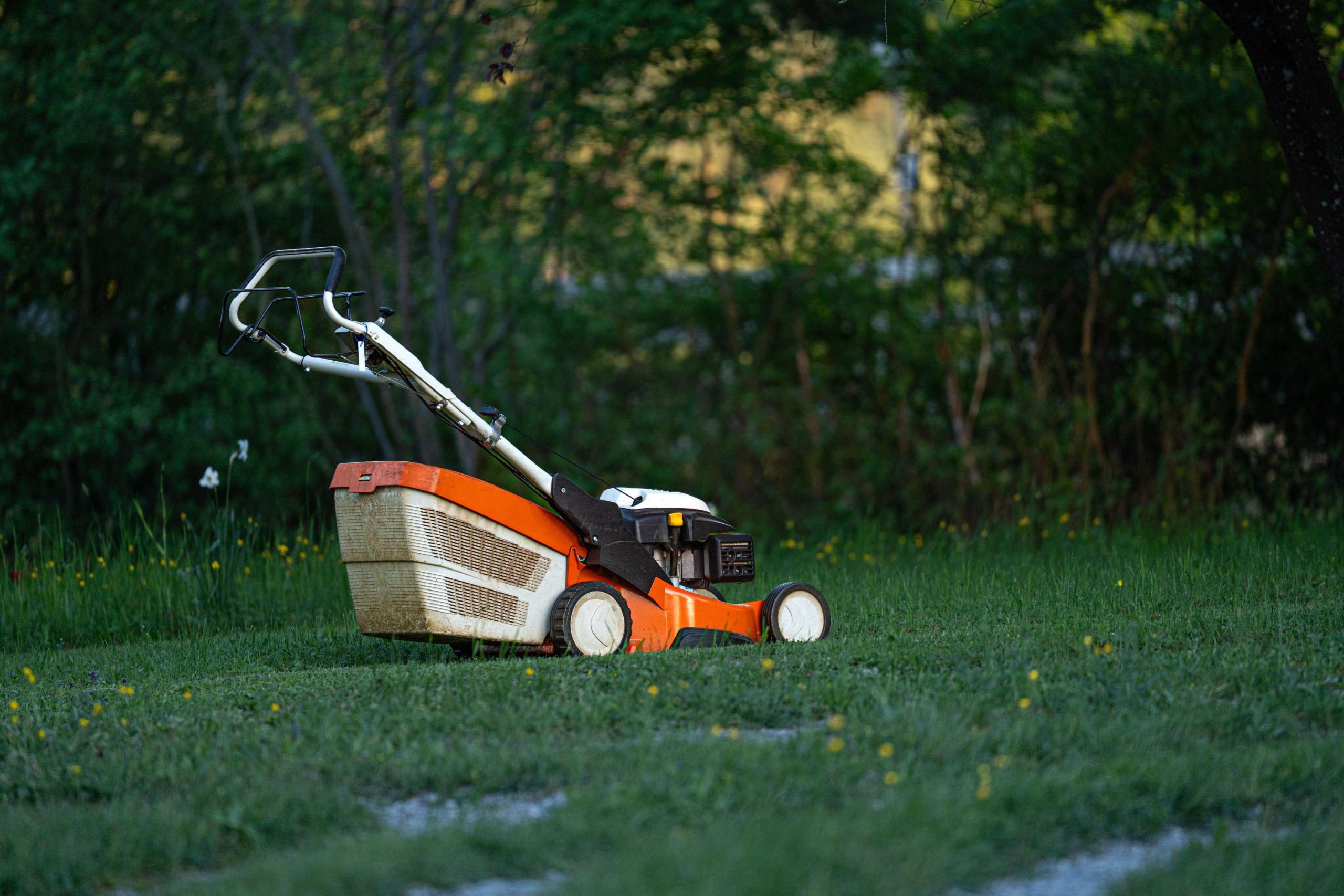
Even low-maintenance landscaping needs some care to stay looking its best. The good news is that a short, simple routine is usually enough. Spread a 2- to 3-inch layer of mulch in planting beds each spring to hold in moisture, keep weeds down, and give the yard a fresh, finished look. Keep mulch a few inches away from tree trunks and plant stems.
Set a seasonal schedule. In spring, clean up beds, refresh mulch, and check irrigation for leaks. In summer, pull small weeds after rain and watch for pests or signs of stress. In fall, plant new perennials and shrubs, rake leaves off lawns, and drain hoses and irrigation lines before freezing weather. In winter, prune dormant trees and shrubs when needed and plan next year’s projects.
Budget wisely, too. Spend more on long-lasting features like quality hardscaping, healthy trees, and smart irrigation, and save on items that are easy to change later, like annual flowers or decorative pots. Get several quotes for big projects, and consider doing smaller tasks yourself. Keep receipts and photos of major landscaping work, since these can help show buyers how well the property has been maintained.
- Refresh mulch yearly and follow a simple seasonal routine.
- Invest more in lasting features and save on easy-to-change items.
- Keep records of major landscaping work for future buyers.
Conclusion
Low-maintenance landscaping lets you enjoy a beautiful yard without giving up every weekend to chores. By planning carefully, focusing on the front yard, and choosing native and drought-tolerant plants, you can create a landscape that looks good year-round and appeals to future buyers.
Smart choices add up. A smaller lawn, low ground covers, and durable hardscaping cut down on mowing and weeding. Well-placed trees add shade and lasting beauty, while protecting your plants from wildlife saves you from costly replacements. Drip irrigation, smart controllers, and outdoor lighting make your yard easier to care for and more inviting at any hour.
Start with one area, like the front entry or a single garden bed, and build from there. Keep up with a simple seasonal routine and invest in features that will last. Over time, your yard will become an easy-care space you love today and an asset that supports your home’s value for years to come.